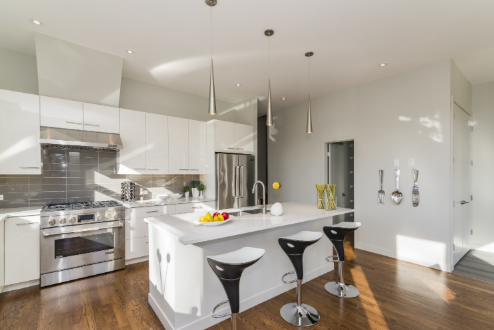
A luxury kitchen is defined by more than its appearance. In Dubai, where interior design preferences range from contemporary minimalism to sophisticated classic styles, the quality of joinery, choice of materials, precision of installation, and attention to detail all contribute to a kitchen’s overall value.
While premium finishes can create an impressive first impression, a well-designed kitchen should also support everyday cooking, storage, cleaning, and entertaining. Understanding what goes into a luxury kitchen helps homeowners make informed decisions and invest in features that offer lasting practical and visual benefits.
What Defines a Luxury Kitchen?
A luxury kitchen combines thoughtful planning, high-quality materials, functional storage, and carefully selected finishes. Every element should work together to create a cohesive space rather than simply add visual appeal.
The layout is an important starting point. Work surfaces, appliances, cabinets, and movement paths should be arranged to suit the available space and the household’s requirements. A kitchen with an efficient layout can feel more refined and comfortable than one filled with expensive materials but limited functionality.
Design consistency also matters. Cabinet styles, handles, countertops, lighting, and wall finishes should complement one another to establish a balanced appearance.
The Importance of Quality Joinery
Joinery is one of the defining features of a luxury kitchen. It influences the appearance, storage capacity, and overall usability of the cabinetry.
Well-planned kitchen joinery considers cabinet dimensions, door alignment, drawer configurations, internal storage, and the way individual components fit together. Consistent gaps, clean edges, and precise installation can make a noticeable difference to the finished result.
Custom cabinetry can be particularly useful when a kitchen has unusual dimensions, awkward corners, or specific storage requirements. Instead of adapting the room around standard units, cabinets can be planned according to the available space.
Homeowners exploring luxury kitchen design in Dubai can consider cabinetry solutions that balance appearance, durability, and everyday functionality.
Choosing Materials That Suit the Kitchen
Material selection affects the kitchen’s visual character, maintenance requirements, and long-term performance. The most expensive option is not automatically the best choice for every household.
Cabinet Materials
Kitchen cabinets are available in different materials and finishes, including wood-based panels, laminates, and other engineered surfaces. The right option depends on the desired appearance, budget, cleaning requirements, and expected use.
The quality of the cabinet construction and installation should be considered alongside the visible finish. A beautiful exterior is only one part of a well-designed cabinetry system.
Countertops
Countertops are among the most frequently used kitchen surfaces. They need to suit food preparation, cleaning habits, and the overall design scheme.
Quartz, granite, marble, and other countertop materials offer different combinations of appearance, maintenance requirements, and performance characteristics. Natural stone can provide distinctive patterns, while engineered surfaces may offer more consistent visual designs.
Before selecting a countertop, homeowners should consider stain resistance, heat exposure, sealing requirements where applicable, and the manufacturer’s care recommendations.
For a closer look at available options, this guide to kitchen countertop choices explains factors that can influence material selection.
Finishes That Create a Refined Appearance
Finishes help establish the character of a luxury kitchen. Matte cabinetry can create a soft, understated look, while gloss finishes can reflect light and contribute to a brighter appearance.
Metallic handles, integrated profiles, carefully selected taps, and coordinated fixtures can add detail without making the design feel crowded. The objective is to create a consistent visual language throughout the space.
Colour selection also plays an important role. Warm neutrals, natural wood tones, stone-inspired surfaces, and restrained contrasts can create an elegant setting. Darker finishes may provide a dramatic effect when balanced with suitable lighting and complementary materials.
Rather than selecting every finish independently, homeowners should evaluate how colours, textures, and surfaces look together under natural and artificial light.
Storage and Hardware Matter
Luxury kitchen design should make everyday tasks easier. Deep drawers, pull-out organisers, adjustable shelving, corner storage systems, and dedicated spaces for appliances can improve how the kitchen functions.
Hardware is another important consideration. Hinges, drawer runners, and opening mechanisms affect how cabinets feel during regular use. Smooth movement, suitable load capacity, and reliable operation can contribute to a better experience over time.
Storage should reflect the household’s actual needs. A family that cooks frequently may require generous drawer space and accessible preparation areas, while a smaller household may prioritise concealed appliances and a streamlined appearance.
Lighting Completes the Design
Lighting highlights materials and makes different kitchen areas easier to use. A well-considered plan typically combines general illumination with task lighting for preparation surfaces and additional lighting where it enhances the design.
Under-cabinet lights can improve visibility on countertops, while pendant fixtures may help define an island or dining area. The colour temperature should complement cabinet finishes and countertop materials.
Lighting placement should be planned alongside cabinetry and electrical requirements rather than added as an afterthought. This helps avoid shadows on work surfaces and creates a more cohesive result.
Does a Luxury Kitchen Justify the Price?
The value of a luxury kitchen depends on how well its design, materials, and construction meet the homeowner’s priorities. Higher costs may reflect custom dimensions, specialised hardware, premium surfaces, more detailed installation, or a more complex layout.
However, not every premium feature is necessary. Homeowners can prioritise durable cabinet construction, suitable countertops, efficient storage, and quality hardware before spending more on decorative details.
It is also important to compare quotations carefully. Cabinet specifications, material thickness, hardware quality, installation scope, and included accessories can differ significantly between proposals.
A clear understanding of what each quotation covers makes it easier to evaluate value rather than comparing prices alone.
Plan Your Kitchen Around Long-Term Needs
A luxury kitchen should look appealing while remaining practical for daily life. Before starting a project, consider cooking habits, storage requirements, appliance dimensions, cleaning routines, and how the kitchen connects with adjoining living spaces.
Pine Tree Lane offers kitchen design and custom cabinetry solutions in Dubai, helping homeowners plan kitchens around their spaces and requirements. A considered approach to joinery, materials, finishes, and layout can create a kitchen that feels cohesive and functions effectively.
Conclusion
What makes a kitchen luxurious is the combination of quality joinery, carefully selected materials, refined finishes, functional storage, and thoughtful lighting. These elements work together to create a space that feels distinctive without compromising everyday usability.
For homeowners in Dubai, the most worthwhile investment is a kitchen designed around their actual needs, with attention given to construction quality and the long-term suitability of each material. When these decisions are made together, luxury becomes more than an appearance; it becomes an everyday experience.