Your dog still finishes every meal, and your cat seems as content as ever. But you’ve noticed something lately. Maybe it’s bad breath, or a yellowish buildup on the back teeth.
It’s tempting to dismiss these things, especially when your pet seems perfectly healthy. The trouble is that dental problems can develop without much warning.
Knowing what to look for, along with regular home care and professional pet dental services, can help you stay on top of your pet’s oral health.
Why Does Dental Health Matter for Dogs and Cats?
Dental problems usually start with plaque. It’s the sticky film of bacteria that forms on teeth, and if it isn’t removed regularly, it can harden into tartar.
As the buildup continues, the gums may become inflamed. Left untreated, the infection and inflammation can damage the tissues that hold the teeth in place. Veterinarians call this periodontal disease.
For a dog or cat, dental disease can mean living with a sore mouth, loose teeth, or an infection that makes eating uncomfortable.
And pets don’t always make that discomfort obvious.
A dog might keep chewing through dinner despite a painful tooth. A cat may simply eat a little less or become fussier about food. Such changes can be subtle enough that owners don’t connect them to a dental issue.
Regular dental examinations help catch problems that might otherwise go unnoticed.
What Are the Warning Signs of Dental Problems in Pets?
Bad breath is often the first thing owners notice. After all, it’s hard to ignore when your dog comes close for a cuddle.
But bad breath isn’t the only sign worth watching out for:
- Yellow or brown deposits on teeth: Tartar tends to collect near the gumline, especially on the back teeth.
- Red or bleeding gums: Inflamed gums may look swollen or bleed when touched.
- Drooling more than usual: Some pets drool excessively when their mouth hurts.
- Changes in eating habits: Watch for slower chewing, dropped food, or a sudden preference for softer meals.
- Loose or broken teeth: Even a small fracture can expose sensitive parts of a tooth.
- Pawing at the mouth: Your pet may rub their face or paw at their mouth when something feels uncomfortable.
Sometimes, the changes have little to do with eating. A dog that once loved chew toys may lose interest in them. A cat might become withdrawn or resist having its face touched.
Cats can also develop tooth resorption, a condition that gradually damages the tooth structure and can be quite painful.
Of course, not every pet with dental disease shows these symptoms. Some problems are only discovered when a veterinarian examines the mouth.
When Should You Take Your Pet to the Veterinarian?
It’s worth booking a dental examination if your pet has:
- Persistent bad breath
- Visible tartar
- Irritated gums
Your pet may still eat normally even when their mouth hurts, so don’t rely on their appetite alone to judge whether something is wrong. It’s better to get those early signs checked before the problem gets worse.
If your pet’s face looks swollen, they’ve broken a tooth, or there’s significant bleeding from the mouth, don’t leave it until their next checkup and call your vet immediately. If they stop eating altogether or suffer a serious mouth injury, seek urgent veterinary care.
One thing to avoid is scraping tartar off your pet’s teeth at home. It’s easy to injure the gums, and removing what you can see doesn’t deal with problems below the gumline.
The same caution applies when checking a painful mouth. Even the gentlest dog or cat may snap or pull away if touching the affected area hurts.
What Happens During a Veterinary Dental Checkup?
A dental visit usually begins with a conversation about your pet’s health. The veterinarian may ask about changes in appetite, bad breath, chewing habits, and any dental treatment your pet has had before.
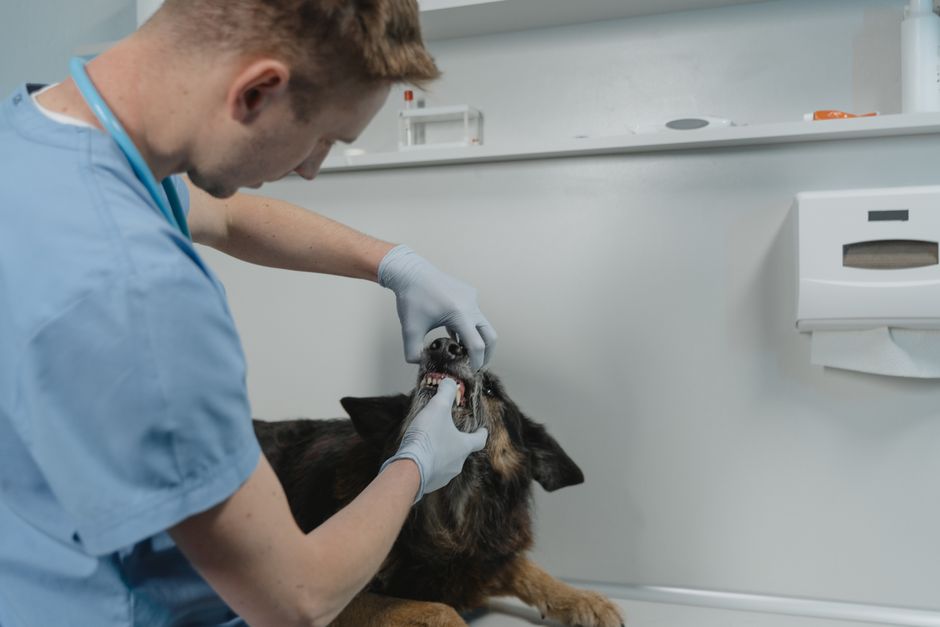
They’ll also examine the mouth, looking for tartar, gum inflammation, damaged teeth, and other visible concerns. Depending on what they find, further treatment may be recommended.
At a vet clinic in Dubai, professional dental care may involve:
- Dental X-rays to examine tooth roots and surrounding structures that aren’t visible during a routine oral examination.
- Scaling and polishing from above and below the gumline to remove plaque and tartar.
- Tooth extraction when there’s too much damage on a tooth or it’s too infected to preserve.
Comprehensive dental cleaning is performed under general anesthesia. This allows the veterinary team to examine and clean beneath the gums safely and thoroughly.
Anesthesia understandably concerns some owners, particularly when their pet has an existing health issues or is older. Your veterinarian should explain the risks, assess your pet’s health, and recommend any necessary checks before treatment.
The important thing to remember is that dental care isn’t identical for every animal. What your pet needs will depend on their examination findings and overall health.
How to Keep Your Pet’s Teeth Healthy at Home
Toothbrushing is one of the most useful habits you can introduce. Daily brushing is ideal, but if your pet has never had their teeth brushed, don’t expect them to cooperate immediately.
Start by letting them get used to having their mouth touched. Then introduce a soft pet toothbrush and toothpaste made for animals.
Keep the first few sessions short. Patience and positive reinforcement can make a whole lot of difference in making brushing easier.
Avoid human toothpaste, which can contain ingredients that aren’t safe for pets. And if brushing seems painful, stop and speak with your veterinarian first.
Home care can help keep plaque under control, but it won’t remove hardened tartar or fix a damaged tooth.
Frequently Asked Questions
How often should dogs and cats have dental examinations?
At least once a year is a useful starting point for most pets. Your veterinarian may recommend more frequent checks if your dog or cat has existing dental problems or a higher risk of developing them.
Can pets have dental disease without showing symptoms?
Yes. Pets can continue eating and behaving normally despite painful teeth or gum disease. That’s one reason routine oral examinations matter.
Is anesthesia necessary for professional pet dental cleaning?
Comprehensive dental cleaning requires general anesthesia so the veterinarian can properly examine and clean beneath the gumline. Your pet’s health and individual risks should be assessed beforehand.
How much does pet dental treatment cost in Dubai?
It depends on the work required. A straightforward examination will cost less than a procedure involving anesthesia, dental X-rays, or extractions. Ask for an estimate that explains what’s included.
Small Signs Deserve Attention
A little bad breath or an occasional change in eating habits might not seem serious. Still, it’s worth paying attention when something feels different. Regular toothbrushing, watching for signs of discomfort, and keeping up with veterinary examinations can go a long way toward protecting your pet’s dental health.