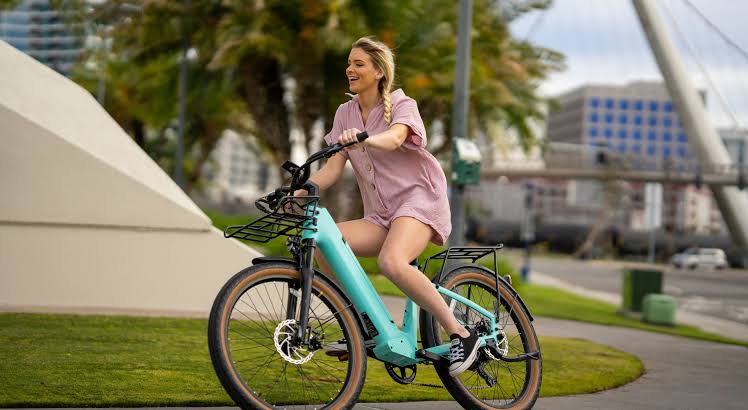
Travel is not always about reaching a destination as quickly as possible. Sometimes, the most memorable part of a journey is the road itself, the scenery along the way, and the freedom to stop whenever something catches your attention. Electric bikes are making this kind of travel more accessible by combining the simplicity of cycling with the extra assistance of an electric motor.
From exploring busy city streets to riding along quiet countryside roads, electric bikes offer travelers a flexible alternative to traditional transportation. They allow people to cover greater distances with less physical effort while still enjoying the outdoor experience that makes cycling special. As more travelers look for convenient and environmentally conscious ways to explore new places, electric bikes are becoming an appealing option for everyday trips and longer adventures.
Why Electric Bikes Are Changing the Travel Experience
Traditional bicycles have always been a popular choice for exploring destinations, but steep hills, strong winds, and long distances can make cycling challenging for some riders. Electric bikes help overcome some of these difficulties by providing motor assistance when the rider pedals.
This assistance can make a significant difference when traveling through hilly areas or carrying a small amount of luggage. Riders can enjoy longer routes without becoming exhausted as quickly, allowing them to spend more time discovering interesting places.
Electric bikes are also useful for travelers who want to combine exercise with convenience. Unlike cars, they allow people to experience their surroundings at a slower pace. Unlike walking, they make it possible to visit several locations in one day without spending all the time moving between them.
For many travelers, this balance between comfort, freedom, and outdoor activity is what makes electric biking so attractive.
Exploring Cities on an Electric Bike
Large cities can be exciting to explore, but traffic congestion and limited parking often make getting around frustrating. Electric bikes offer an alternative for shorter journeys, particularly in places with suitable cycling lanes and bike-friendly streets.
Travelers can use them to visit local markets, historic neighborhoods, parks, museums, and waterfront areas. Instead of spending much of the day inside a vehicle, riders can experience the atmosphere of a city directly.
Another advantage is flexibility. A traveler might discover a small café, a street performance, or an interesting shop and decide to stop without worrying about finding a parking space. This freedom can make an ordinary sightseeing trip feel more personal and spontaneous.
However, visitors should check local cycling regulations before riding. Some cities restrict where particular types of electric bikes can be used, and pedestrian areas may have different rules. Wearing a helmet where required, following traffic signals, and respecting pedestrians are essential parts of responsible urban travel.
Discovering Countryside Routes and Natural Landscapes
Electric bikes are not limited to city travel. They can also provide a rewarding way to explore rural destinations, coastal roads, vineyards, and scenic countryside.
A route that might seem too demanding on a traditional bicycle can become more manageable with pedal assistance. This can help travelers enjoy beautiful landscapes without needing advanced cycling fitness.
Imagine riding along a quiet country road, passing fields and small villages, and stopping at a local bakery before continuing toward a scenic viewpoint. The journey becomes part of the holiday rather than simply a way to get from one attraction to another.
Electric bikes can also support local tourism by making smaller communities easier to reach. Travelers may spend money at family-run restaurants, independent shops, and local accommodation businesses along their route.
Riders should still choose routes suited to their experience and equipment. Remote areas may have limited charging facilities, uneven surfaces, or changing weather conditions. Checking the route in advance helps make the experience safer and more enjoyable.
Understanding Battery Range Before Traveling
One of the most important considerations when planning an electric bike trip is battery range. Unlike a conventional bicycle, an electric bike depends partly on its battery to provide motor assistance.
The distance a fully charged battery can cover varies according to several factors, including battery capacity, rider weight, terrain, temperature, tire pressure, and the level of motor assistance selected.
A route with steep climbs may use more battery power than a flat journey. Similarly, carrying heavy bags or riding against a strong wind can reduce the distance available.
Travelers should avoid planning a route based entirely on the maximum range advertised by the manufacturer. Instead, it is sensible to leave a comfortable reserve and identify possible charging points before setting out.
For longer journeys, carrying the correct charger can be useful when permitted by the accommodation provider. Riders should also understand the manufacturer’s charging instructions and use compatible equipment.
Good planning reduces the risk of running out of battery far from the destination and allows travelers to enjoy the ride with greater confidence.
It’s no use going back to yesterday, because I was a different person then. Memories warm you up from the inside. But they also tear you apart. Whatever our souls are made of, his and mine are the same.
Choosing the Right Electric Bike for Travel
Different electric bikes are designed for different purposes, so the best choice depends on the type of journey being planned.
City electric bikes are generally suitable for commuting and sightseeing on paved roads. They often feature a comfortable riding position and practical accessories such as lights, mudguards, and luggage racks.
Touring models may offer features that support longer journeys, including stronger frames, wider gear ranges, and luggage-carrying capacity. Electric mountain bikes are designed for more challenging off-road terrain, although riders still need suitable skills and must follow local trail rules.
Folding electric bikes can be useful for travelers who need to store their bicycle in a small space or combine cycling with certain forms of public transportation. However, airline and train policies vary, especially when lithium batteries are involved.
Before buying or renting an electric bike, consider the distance, terrain, expected luggage, and level of comfort required. A properly fitted bike is generally more enjoyable to ride than one chosen solely because it has a powerful motor or large battery.
Packing for a Comfortable Electric Bike Journey
Packing thoughtfully can make an electric bike trip much easier. Carrying too much luggage increases weight and can affect handling, so travelers should focus on essentials.
A small repair kit, tire levers, a suitable pump, and basic tools can be helpful, especially on routes where bicycle shops are difficult to find. A spare tube may also be useful if the bike uses conventional inner tubes.
Water, snacks, weather-appropriate clothing, and a first-aid kit are sensible additions for longer rides. A phone with offline maps can help with navigation when mobile coverage is limited.
It is also important to carry a reliable lock. Travelers may need to leave their bikes unattended while visiting attractions or stopping for meals.
Before departure, inspect the tires, brakes, lights, and battery connection. Knowing how to operate the bike’s controls and change assistance settings can prevent unnecessary confusion during the journey.
Electric Bikes and Sustainable Tourism
The environmental impact of travel is receiving increasing attention, and electric bikes can help reduce reliance on cars for suitable short journeys.
Because they use electric power rather than petrol, electric bikes produce no exhaust emissions while being ridden. Their overall environmental footprint still depends on factors such as electricity generation, battery manufacturing, and the lifespan of the equipment.
When they replace car journeys, electric bikes can reduce local air pollution and traffic congestion. They also require less road space and generally make less noise than motor vehicles.
For tourism businesses, offering electric bike rentals can create new opportunities to attract visitors who prefer active experiences. Hotels, tour operators, and local guides may develop cycling routes that connect natural attractions, cultural sites, and small businesses.
Responsible travel remains important, however. Riders should stay on permitted paths, avoid disturbing wildlife, and follow local guidance in protected areas. Choosing suitable routes helps ensure that the benefits of electric bike tourism do not come at the expense of the places people have come to enjoy.
Safety Tips for Traveling by Electric Bike
Electric bikes can travel faster than some conventional bicycles, and their extra weight may affect braking and handling. Riders should become familiar with the bike in a quiet area before joining busy roads or attempting steep descents.
Wearing an appropriately fitted helmet, using front and rear lights, and remaining visible to other road users can improve safety. Riders should maintain a safe following distance and slow down when approaching pedestrians, sharp turns, or unfamiliar surfaces.
Weather deserves attention as well. Wet roads can reduce grip, while strong winds may make certain routes difficult. Checking the forecast and being willing to change plans are sensible precautions.
Battery care is equally important. Avoid using damaged batteries or incompatible chargers, follow the manufacturer’s instructions, and observe any restrictions that apply to charging or transporting lithium batteries.
For international travel, check the relevant airline, rail operator, and destination rules before departure. Some carriers do not allow standard electric bike batteries on passenger aircraft, even when the bicycle itself can be transported.
Conclusion
Electric bikes are changing the way people experience travel by offering a practical combination of mobility, comfort, and outdoor adventure. They make city sightseeing easier, open up longer countryside routes, and allow a wider range of people to enjoy cycling holidays.
A successful trip still depends on thoughtful preparation. Choosing the right bike, understanding battery range, checking local regulations, and packing essential equipment can make the difference between a stressful journey and an enjoyable adventure.
Whether exploring a historic city or following a peaceful rural road, electric biking encourages travelers to slow down, notice their surroundings, and discover places they might otherwise miss.
As cycling infrastructure and rental services continue to develop, electric bikes are likely to remain an appealing option for travelers who want more freedom on the road without losing the pleasure of the journey itself.