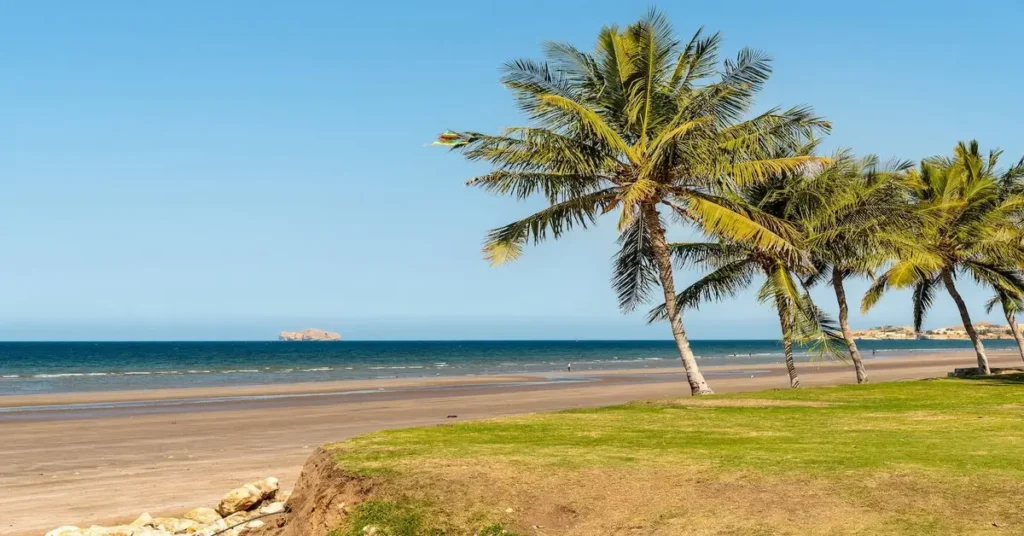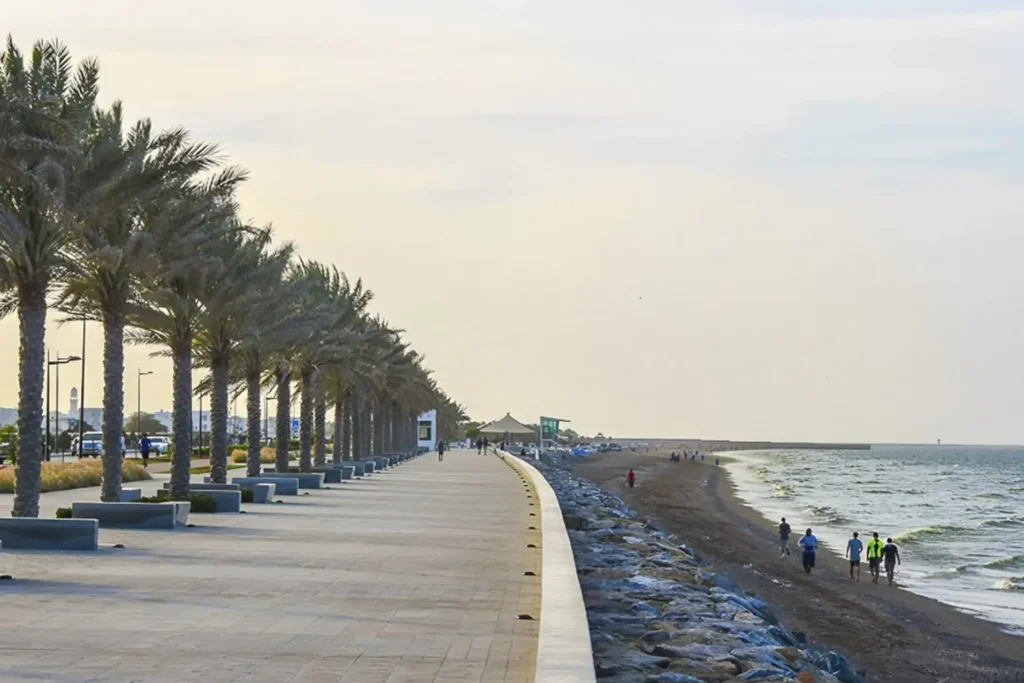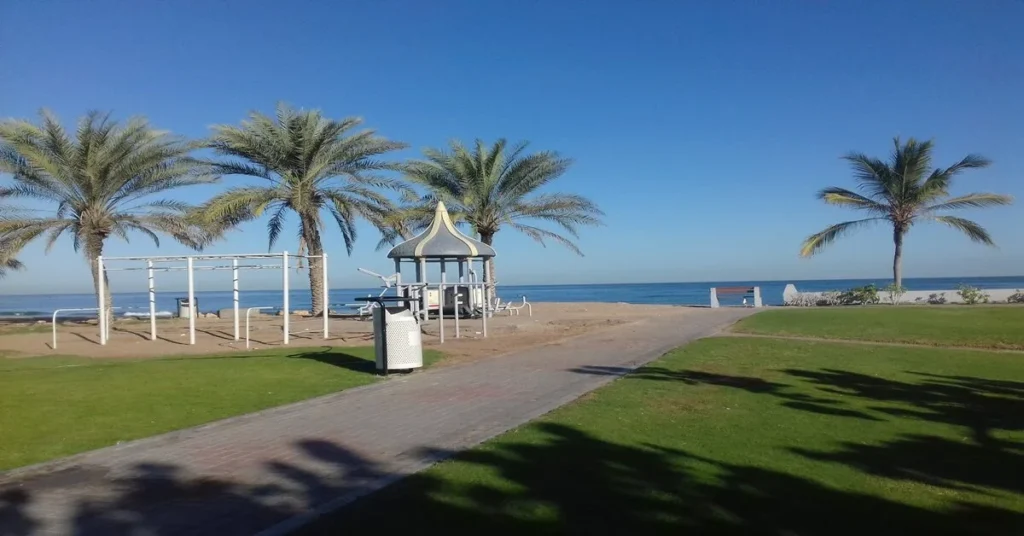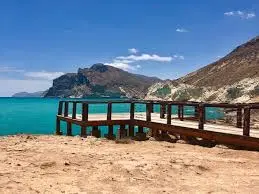
I still remember the first time I saw Mughsail Beach. After a 40-minute drive west from Salalah along the winding coastal highway, the view that greeted me was nothing short of breathtaking—endless white sand stretching into the horizon, turquoise waters dancing under the Arabian sun, and dramatic limestone cliffs standing guard like ancient sentinels. This wasn’t just another beach. This was a place where nature had decided to show off. Useful resource: Mughsail Beach
Nestled in Oman’s Dhofar Governorate, Mughsail Beach (also spelled Al Mughsayl or Al Mughsail) has earned its reputation as one of the most stunning beaches in the entire Arabian Peninsula. Whether you’re a solo traveler seeking solitude, a family looking for adventure, or a photographer hunting for that perfect shot, this 6-kilometer stretch of pristine coastline delivers on every front.
Location:
What Makes Mughsail Beach Special?
The Natural Blowholes: Nature’s Own Fountain
The star attraction at Mughsail isn’t just the beach itself—it’s the spectacular natural blowholes at Marneef Cave. Picture this: powerful waves crash against the limestone cliffs, forcing seawater up through natural holes in the rock formations, creating dramatic water spouts that can shoot up to 28 meters into the sky during the Khareef season. The sound alone is mesmerizing—a deep, rumbling roar followed by a whoosh as water explodes skyward.
There are three main blowholes covered with protective metallic mesh, and during high tide, the spectacle is absolutely incredible. I’ve seen kids standing right over the mesh, getting completely soaked as the water erupts beneath them, their delighted screams mixing with the roar of the ocean. It’s raw, it’s powerful, and it’s completely unforgettable.
White Sand Meets Rugged Mountains
What sets Mughsail apart from other beaches is its dramatic setting. On one side, you have soft, golden-white sand that feels like powder beneath your feet. On the other, the turquoise waters of the Arabian Sea stretch endlessly toward the horizon. But look behind you, and you’ll see rugged mountain peaks rising dramatically from the coast, creating a stunning contrast that photographers dream about.
The beach itself feels spacious and untouched—no high-rise hotels, no crowds of vendors, just nature in its purest form. During my visits, I’ve often spotted herds of camels casually strolling along the shoreline, adding an authentic Arabian touch to the already magical landscape.
When to Visit: Timing Your Perfect Trip
The Khareef Season (June to September)
The Khareef monsoon season transforms Salalah into something truly special. Light mist envelops the coastline, the temperature drops to a comfortable 20-30°C, and the usually arid landscape turns lush and green. This is when the blowholes are at their most spectacular, with rough seas creating the highest water jets.
However, be prepared for drizzle and higher humidity. The light rain adds a romantic, almost mystical quality to the beach, but swimming can be tricky due to strong currents and rough waters. If you’re visiting during Khareef, time your trip with the Salalah Tourism Festival, when the entire region comes alive with cultural celebrations.
The Dry Season (October to April)
For traditional beach activities—swimming, sunbathing, and picnicking—the months from October to March are ideal. Temperatures range from a pleasant 20-30°C, the skies are clear and blue, and the waters are calmer. This is when you’ll find families setting up picnics in the traditional huts along the shore, barbecuing fresh seafood while children play in the gentle waves.
The blowholes are less active during this period, but the overall beach experience is more relaxed and comfortable. Avoid May through early June when temperatures can soar above 40°C, making outdoor activities challenging.
Things to Do at Mughsail Beach
Explore the Marneef Cave and Blowholes
The walk to the blowholes from the main beach parking area is an experience in itself. You can either take the stairs (roughly 50 steps) or follow the paved path that’s accessible for wheelchairs and strollers. The cave itself is more of an elongated cliff face with stunning rock formations carved by centuries of wave action.
Pro tip: Visit during high tide for the most dramatic blowhole eruptions. Check the tide schedule before you go. I’ve also found early morning visits offer the best lighting for photography, with fewer crowds to navigate.
Stroll Along the Pristine Shoreline
The 6-kilometer stretch of beach is perfect for long, contemplative walks. Unlike many tourist beaches, Mughsail feels spacious and uncrowded. You can walk for kilometers without encountering another soul, with only the sound of waves and occasional camel sightings for company. The soft white sand is gentle on bare feet, and the views change constantly as you move along the shore.
Swimming and Water Activities
The calm, clear waters at Mughsail are generally suitable for swimming, especially during the dry season. The visibility is excellent, allowing you to see the seabed clearly. However, always be cautious of strong currents, particularly near the cliffs and during the monsoon season. The waves can be powerful, and swimming is not recommended when the sea is rough.
For snorkeling enthusiasts, the waters around Mughsail offer glimpses of vibrant marine life, though you’ll need to bring your own equipment as there are no rental facilities on-site.
Wildlife Watching
Keep your eyes peeled for dolphins playing in the waters offshore—they’re frequently spotted here, especially in the early morning. The beach is also home to various bird species including flamingos at the nearby lagoon, herons, and ibis. The less commercialized nature of the area makes it a paradise for nature enthusiasts.
I’ve spent hours just watching the resident camel herds as they wander freely along the beach. It’s these authentic moments—watching dromedaries walk past as the sun sets over the Arabian Sea—that make Mughsail feel truly special.
Picnicking with a View
There are several traditional huts scattered along the beach, built in local style with shaded sitting areas and barbecue facilities. They’re large enough to accommodate entire families and provide shelter from both sun and the occasional Khareef drizzle.
Word of advice: these huts aren’t exactly pristine inside (you’ll find graffiti where picnickers have left their mark with charcoal), so bring your own portable chairs or mats. Also, since there are no food vendors or restaurants nearby, come prepared with all your supplies—food, drinks, barbecue equipment if you’re planning to grill.
Photography Paradise
Whether you’re a professional photographer or just someone who loves a good Instagram shot, Mughsail offers endless opportunities. The contrast between the white sand, turquoise water, and rugged mountains creates naturally stunning compositions. Sunset is particularly magical, with vibrant colors reflecting off the water and dramatic clouds often forming over the peaks.
The blowholes provide action shots that are truly unique, while the camel herds add cultural authenticity to your frames. Don’t forget to capture the traditional picnic huts and the dramatic coastal road with its hairpin bends.
Getting to Mughsail Beach
By Car
The most convenient way to reach Mughsail is by car. From Salalah, take Sultan Qaboos Street (also known as Raysut Road or Highway 47) heading west. The drive takes approximately 40 minutes covering about 40 kilometers along a well-paved single carriageway.
The scenic coastal road itself is an attraction, offering stunning views of palm groves, banana plantations, and mountain slopes. You’ll pass Raysut Beach and the Eftalqot area before reaching Mughsail. There’s ample parking available at the beach, and it’s free.
Important note: After Cyclone Mekunu damaged the road in 2018, a detour was constructed to reach Marneef Cave. The old road still has water in places, so follow the marked detour. Also, watch out for camels crossing the road—they have right of way and can appear suddenly, so drive carefully.
By Taxi or Tour
Shared taxis from Salalah typically charge 2-3 Omani Rials for the trip. Private taxis may ask for 5-25 OMR depending on waiting time. Many visitors opt for organized tours from companies like Beautiful Salalah Tours, which often combine Mughsail with visits to nearby attractions like Fazayah Beach, frankincense trees, and Wadi Darbat.
Continuing West
If you’re feeling adventurous, the road continues west from Mughsail with spectacular hairpin bends through the mountains. This zig-zag road leads to the pristine Fazayah Beach (requiring off-road access), and further west to Shaat, Rakhyut, and Dalkut beaches before reaching Sarfayt, the last point in Oman before the Yemen border.
Where to Stay
While there are no accommodations directly on Mughsail Beach, Salalah offers excellent options:
Crowne Plaza Resort Salalah – Luxury resort with stunning sea views, private beach access, and modern amenities including spa services and multiple restaurants.
Hilton Salalah Resort – Located near Mughsail with views of both the sea and Dhofar Mountains. Features a private beach, health club, and excellent dining options.
Rotana Resort Salalah – Combines luxury and comfort with recreational activities including boat tours. Offers 24-hour room service and spa facilities.
Al Baleed Resort Salalah by Anantara – An ultra-luxurious option for those seeking premium experiences.
Budget travelers can find hostels and guesthouses in Salalah itself, though options are more limited than in Muscat.
Nearby Attractions Worth Visiting
Fazayah Beach
Beyond Mughsail’s hairpin mountain road lies Fazayah Beach, often called the “Hidden Beach.” This secluded paradise requires navigating an off-road track, but the reward is crystal-clear turquoise waters and almost complete solitude. It’s perfect for swimming and beachcombing without crowds.
Frankincense Trees
The road west passes through areas where frankincense trees grow naturally. These ancient trees have been the source of one of the region’s most valuable commodities for millennia. Stop to see them in their natural habitat and learn about their historical significance to Omani culture and the ancient incense trade.
Wadi Darbat Nature Reserve
A short drive from Mughsail, this stunning reserve transforms into a green paradise during Khareef season. Waterfalls cascade down cliffs, natural caves dot the landscape, and green meadows provide grazing for camels. It’s ideal for hiking, picnicking, and exploring Oman’s natural beauty.
Old Town Salalah
Explore traditional buildings, local markets selling handmade souvenirs, and restaurants serving authentic Omani cuisine. Don’t miss trying mishkak (grilled meat skewers) and majboos (spiced rice with meat).
Sultan Qaboos Mosque
One of Salalah’s most impressive landmarks, this mosque is a masterpiece of Islamic architecture worth visiting.
Ayn Jarziz
A beautiful natural spring with fresh waters flowing through rocks, surrounded by dense trees. Perfect for picnics and enjoying tranquility.
Practical Tips for Your Visit
Bring Everything You Need – There are no food vendors, restaurants, or shops at the beach. Pack plenty of water, snacks, and a full picnic if you’re planning to spend the day. Sunscreen, hats, and sunglasses are essential.
Safety First – Be cautious near the cliffs and blowholes, and always supervise children. The waves can be powerful, especially during rough seas. Follow all local safety signs.
Timing Matters – Visit the blowholes during high tide for the best show. Early morning or late afternoon offers the best lighting for photography and helps you avoid the midday heat.
What to Wear – Comfortable walking shoes are essential for exploring trails and rocky areas. While beachwear is acceptable, remember that Oman is a conservative country, so modest swimwear is appreciated.
Transportation on Beach – A short cart ride to the blowholes is available for 500 baisa, but I recommend walking if you’re able—the scenic path is part of the experience.
Respect the Environment – Please don’t litter. Mughsail’s pristine beauty is one of its greatest assets. Help keep it that way for future visitors.
Watch for Camels – When driving to or from the beach, keep an eye out for camel herds crossing the road. Drive slowly and turn on your parking lights to warn drivers behind you.
Local Food Experiences
While there are no restaurants on the beach itself, new coffee shops have recently opened near the Marneef Cave area, offering snacks and refreshments. For a truly unique experience, try the native lamb cooked in stone—a traditional Omani preparation that’s incredibly flavorful and unlike anything you’ll taste elsewhere.
In Salalah proper, seek out restaurants serving fresh Arabian Sea seafood, Omani BBQ, and traditional dishes. The combination of spices used in Dhofar cuisine is slightly different from northern Oman, reflecting the region’s historical connections to East Africa and the Indian subcontinent.
Why Mughsail Beach Deserves Your Time
In a world of overdeveloped tourist beaches, Mughsail stands out by remaining largely untouched. There’s no resort complex blocking the view, no beach vendors hassling you for purchases, no loud music competing with the sound of waves. It’s just you, nature, and one of the most beautiful stretches of coastline in the Middle East.
Every visit to Mughsail feels fresh and special. Whether it’s the magical light rain of Khareef season, the explosive power of the blowholes during high tide, or simply watching the sun set behind the mountains while sitting in the white sand, this beach creates memories that last a lifetime.
The drive along the coastal highway, the dramatic contrast between desert mountains and azure sea, the casual presence of camels on the beach—these are the authentic Arabian experiences that many travelers seek but rarely find. Mughsail delivers them effortlessly.
Final Thoughts
Mughsail Beach isn’t just a destination—it’s an experience that captures the essence of Oman’s natural beauty. It’s where rugged mountains embrace the sea, where ancient geological forces create spectacular blowholes, and where you can walk for hours without seeing another soul.
Whether you’re visiting during the lush green Khareef season or the sunny days of winter, whether you’re there for the blowholes, the swimming, the photography, or simply to escape the world for a few hours, Mughsail won’t disappoint.
Pack your picnic, grab your camera, time your visit with high tide, and prepare to discover why this pristine corner of Dhofar has captured the hearts of everyone who’s ever felt the soft white sand beneath their feet and watched the Arabian Sea work its timeless magic on the shore.
Trust me, Mughsail never gets old. Every visit feels like discovering it for the first time.
You May also like this:
Indigo Beach Resort Jeddah
Al Nakheel Beach
Uqair Beach Saudi Arabia
Half Moon Beach Saudi Arabia
Fanateer Beach Jubail
Silver Sands Beach Jeddah
Al Saif Beach Jeddah
Ras Tanura Beach
Obhur Beach Jeddah
Jeddah Beach

Hi, I’m Haseeb Ahmed, the founder of KhaleejBlog.com — a premier travel platform dedicated to providing practical and up-to-date travel tips across Dubai, Saudi Arabia, Oman, and Qatar. My mission is to help travelers explore the Gulf region with ease, discover hidden gems, and make the most of every journey.