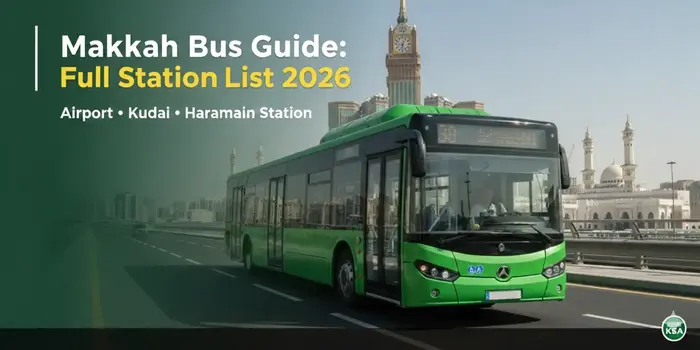
Have you ever stood in the scorching heat of Makkah, wondering how to reach the Grand Mosque without spending a fortune on taxis? The Makkah Bus system is your answer – an affordable, modern, and convenient solution that’s transforming transportation in the Holy City.
What Is the Makkah Bus System?
The Makkah Public Bus Transport Project, operated by Modern Bus Company Limited (MBCO), is a comprehensive public transportation network designed specifically for pilgrims and residents. Launched under the Royal Commission for Makkah City and Holy Sites (RCMC) and aligned with Saudi Vision 2030, this system serves millions of people performing Umrah and Hajj every year.
The Unified Center for Transport coordinates operations through partnerships with industry leaders including the Saudi Public Transport Company (SAPTCO), Northwest BUS, Al Qaid, and Moventis. Together, they operate 200 buses with plans to expand to 4500 vehicles, serving over 450 bus stops throughout Makkah.
Understanding the 12 Main Routes
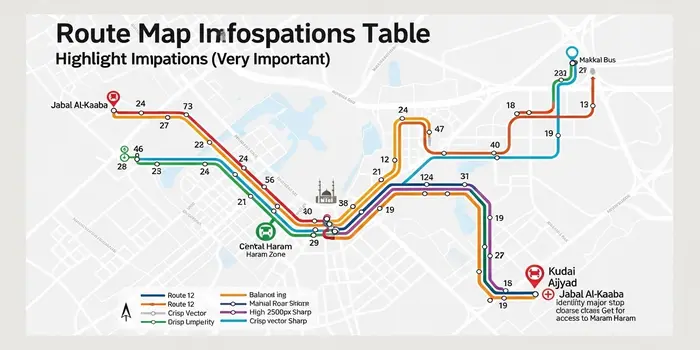
The network operates 12 routes covering approximately 560 kilometers across the city. Each route connects residential neighborhoods, the Grand Mosque (Masjid al-Haram), hospitals, universities, and commercial areas.
Route one serves the central region with 26 stops, connecting Jabal Al-Kaaba and key areas around the Holy Kaaba. Route two links Umm al-Qura University with the city center through 35 stops, perfect for students and residents in Al-Awali and Al-Shuhada neighborhoods.
Route three is the longest at 71 kilometers with 68 stops, covering distant areas like Al-Misfalah, Al-Nawwariya, and Batha Quraysh. Route four focuses on northern regions with 62 stops across 50 kilometers. Route five offers express service with only 19 stops for faster travel.
The remaining routes (six, seven, eight, ten, eleven, and twelve) provide specialized coverage for hospitals like King Abdullah Medical City and Al-Noor Specialist Hospital, the Haramain Railway station, and commercial districts near Dhi Al-Majaz Market and Al-Hejaz Market.
Key Destinations You Can Reach
The bus network connects you to virtually every important location in Makkah. Multiple routes converge at Masjid al-Haram, stopping at major gates including Bab Ali, Ajyad Station, Kudai Station, and Jarwal station. You can easily access the courtyards of the Grand Mosque from any neighborhood.
For Umrah pilgrims, buses connect to the Sayyida Aisha Mosque at Taneem, one of the closest miqat points. Medical facilities including Security Forces Hospital and King Abdullah Medical City are well-served. Shopping destinations like Al-Hejaz Market are accessible, along with parking lots such as Kudai parking and Markazi parking.
Educational institutions, particularly Umm Al-Qura University, benefit from dedicated service. Religious sites including Jinn Mosque (Mahbas al-Jinn), Al-Rajhi Mosque, Al-Ihsan Mosque, and Al-Taawun Mosque are all reachable via the network. The Haramain High Speed Railway station connects seamlessly with bus routes for intercity travel to Jeddah and Medina.
How Much Does It Cost?
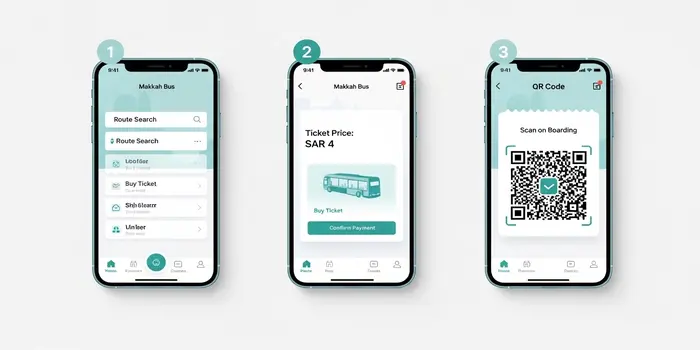
The fare structure is remarkably affordable. A standard one-way ticket costs just SAR 4, regardless of distance traveled on your route. Express routes with fewer stops cost SAR 7 per trip, offering faster service.
For regular users, the system offers excellent value through passes. One-day tickets allow unlimited trips for 24 hours, perfect for tourists with multiple errands. One-week tickets suit extended Umrah stays, while one-month passes provide the best value for residents commuting daily.
All prices include value added tax (VAT) with no hidden charges. Students with valid student ID cards and holders of social affairs cards may qualify for discounts or reduced fees, making transportation accessible to everyone.
Payment Methods and Ticket Purchase
The Makkah Bus system embraces modern payment technology. Download the free Makkah Bus app from the Apple App Store or Google Play Store for iOS and Android devices. The app accepts credit cards, debit cards, Visa, Mastercard, Apple Pay, Mada, and mobile wallet options.
Traditional cash payment remains available for those who prefer it. Ticket vending machines at major stations and terminals provide another convenient option. You can purchase tickets anonymously through the app or register for additional features like journey planning and personalized recommendations.
Tickets appear as QR codes in the app or can be sent to your registered email address as PDF documents. Simply scan the code when boarding – it’s that easy.
How to Use the System: Step-by-Step
Start by downloading the Makkah Bus app and exploring the interactive map showing all routes, stops, and real-time information about bus locations. You can browse without creating an account initially.
For ticket purchases, register by providing personal details including full name, mobile number, nationality, and password. The journey planner helps you find the best route from your starting point to destination, showing the number of stops, estimated arrival time, and fare.
Purchase your ticket through the tickets tab, selecting single-trip, one-day, one-week, or one-month options. Complete payment using your preferred method and receive your QR code ticket instantly.
At bus stops, check posted schedules showing arrival times. During peak times and Ramadan, waiting times are typically 5 to 7 minutes. On regular days, expect 8 to 15 minutes depending on the route and time.
When your bus arrives, board through the front door and scan your QR code at the scanner. The driver can assist with questions about destinations.
Inside the Bus: Features and Comfort
Modern, air-conditioned buses ensure comfort even in Makkah’s intense heat. Electronic screens display routes and upcoming stops, while audio-visual systems announce each stop in multiple languages including Arabic, English, Hindi, and Urdu.
Accessibility features include wheelchair ramps, designated spaces for people with disabilities, strollers, and wheelchairs. The hydraulic system facilitates easy boarding for those with mobility challenges. Many buses offer Wi-Fi service, keeping you connected to social media and email during your journey.
Standard buses accommodate 85 passengers, while articulated buses carry up to 125 passengers. The fleet is well-maintained, safe, and reliable, meeting international standards for security with surveillance cameras inside and outside, collision avoidance systems, and fire suppression systems.
Finding Bus Stops Near You
The network includes approximately 450 bus stops strategically positioned throughout Makkah at prime locations near major attractions, residential areas, and key facilities.
Main stations near the Grand Mosque include stops at Mount Omar, Jabal Al Kaaba East Station, Jabal Al Kaaba West station, Ajyad Station, and Kudai Station. These feature enhanced facilities including covered waiting areas, seating, and real-time information displays.
Residential neighborhoods like Rusaifah District, Al-Awali, Al-Shuhada, Batha Quraysh, and Al-Kakiya all have convenient stops within walking distance. The app’s map shows all stops in your area with routes serving each location, schedules, and real-time bus tracking.
Special Services During Hajj and Ramadan
The system truly excels during peak seasons when Makkah’s population swells dramatically. A special Ramadan plan increases frequency on all routes with waiting times as low as 5 minutes and extended operational hours to serve the surge in Umrah pilgrims.
During Hajj season, specialized routes operate between Makkah and ceremonial sites including Mina, Arafat, and Muzdalifah. These buses coordinate with the Al Mashaaer Al Mugaddassah Metro line, an 18.1 km system with 9 stations specifically designed for Hajj.
The metro, opened in 2010, runs on a viaduct above encampment zones with stations at each floor of Jamarat Bridge. It operates only during Hajj, transporting hundreds of thousands of pilgrims between ceremonial sites. Feeder buses complement the metro, bringing pilgrims from tents and encampments to metro stations.
This integrated system can move millions of people in hours – a logistical achievement recognized worldwide as one of the most impressive mass transportation operations on Earth.
Operating Hours and Frequency
Major routes operate 24/7, ensuring you’re never stranded regardless of when you need to travel. The round-the-clock service is particularly valuable during Ramadan when many pilgrims prefer traveling at night.
Bus frequency varies by route and time of day. Peak times see buses every 5 to 7 minutes on main routes. Regular days typically offer 8 to 12 minute intervals, with some routes running every 15 minutes during very quiet periods.
The operational buses are effectively managed through sophisticated scheduling systems that track every vehicle in real-time, allowing quick responses to delays or issues.
Why Choose the Bus Over Taxis?
The cost savings are substantial. A taxi from your hotel to the Grand Mosque might cost SAR 30-50 or more during peak times. The bus costs just SAR 4. For families, these savings multiply quickly – over a week-long Umrah trip, you could save hundreds of riyals.
Traffic congestion affects taxis and cars just like everyone else, but buses have dedicated lanes on many routes and priority at certain intersections. You’ll often move faster in a bus through congested areas while helping reduce overall traffic by keeping another car off the roads.
Parking near the Grand Mosque is frustrating and expensive. With the bus, you step off directly at your destination with no parking hunt required. Environmental benefits matter too – each bus carries 85 to 125 passengers, keeping dozens of cars off the road and reducing carbon emissions and pollution.
Safety and Security Features
Every bus features sophisticated security systems with surveillance cameras monitoring activities inside and outside. Collision avoidance systems and fire suppression systems provide additional protection. All 600 drivers (expanding to 1100) are qualified professionals who know routes intimately.
The payment system uses 256-bit SSL encryption and secure connection protocols meeting global standards through Global Trust Infrastructure. Authentication processes including password protection, OTP (one-time password), and biometric options like Face ID and Touch ID keep your account safe.
Comparing Transportation Options
Taxis and services like Uber and Careem offer door-to-door convenience but with surge pricing during Hajj and Umrah seasons. Private chauffeur services provide luxury but at premium prices unsuitable for most budgets.
Renting a car requires valid documentation – GCC nationals need Gulf Cooperation Council licenses while expatriates need international driving licenses recognized by Saudi Arabia, along with passport, residence permit or visitor status proof, and credit cards for deposits. However, navigating Makkah’s traffic and finding expensive parking makes this option stressful.
Walking works if you’re staying close to the Grand Mosque, but Makkah’s heat, especially during summer, makes long walks with elderly family members or children impractical. The bus offers a middle ground – walk to a nearby stop, then ride in air-conditioned comfort.
Technology Behind the Service
The bus scheduling system uses sophisticated software tracking every vehicle in real-time. Dispatchers can see exactly where each bus is, responding quickly to issues and automatically adjusting schedules when needed.
Passengers access real-time tracking through the app, seeing precisely where their bus is, how many minutes until arrival, and even how full it is. This transparency reduces waiting anxiety and helps with time planning.
The audio-visual system inside buses provides information in multiple languages. Electronic screens show not just the next stop but also real-time connection information for transfers between routes.
Environmental monitoring systems track emissions and fuel consumption, supporting data-driven decisions about fleet upgrades and route optimization to continuously improve efficiency while reducing environmental impact.
Who Operates the System?
Modern Bus Company Limited (MBCO) serves as the primary operator under Royal Commission oversight. The Saudi Public Transport Company (SAPTCO), established in 1979 with headquarters in Jeddah, brings decades of experience operating intercity and local routes throughout Saudi Arabia.
Other operators including Northwest BUS, Al Qaid, and Moventis contribute vehicles and expertise. This multi-operator model ensures redundancy and flexibility – if one company faces challenges, others maintain service levels.
The Unified Center for Transport (also called General Transport Center) coordinates all operators, ensuring seamless service. Passengers experience a unified system without worrying about which company operates which route.
Tips for First-Time Users
Download the app before arriving in Makkah to familiarize yourself with the interface and plan trips. When first boarding, don’t hesitate to ask drivers for help – they’re generally helpful and can confirm you’re on the right bus.
Start with simple, direct routes before attempting complex journeys with multiple transfers. Allow extra time initially until you understand schedules and routes. Keep your phone charged since the app is the most convenient ticketing method – consider bringing a portable charger.
Dress appropriately for outdoor bus stops while bringing light covering for air-conditioned interiors. Remember modest dress is required in this conservative society. During peak times, buses can be crowded – travel during off-peak hours like early morning or mid-afternoon if you prefer guaranteed seating.
Future Expansion Plans
Plans include expanding the metro system from Hajj-only operation to a four-line network operating year-round, serving the entire city. The bus fleet will grow from 200 to potentially 4500 vehicles, dramatically increasing capacity and reducing waiting times.
Additional routes will cover emerging neighborhoods and new developments. Technology improvements will bring enhanced app features like personalized recommendations based on travel history, hotel booking system integration, and augmented reality navigation.
Environmental focus will intensify with procurement of electric or hybrid vehicles as technology proves viable in Makkah’s climate. Integration with the Haramain High Speed Railway will become even more seamless for visitors arriving from Jeddah or Medina.
What This Means for Pilgrims
The Makkah Bus system makes the Holy City accessible to everyone regardless of economic means. Pilgrims who’ve saved years for Umrah shouldn’t spend significant portions of their budget on expensive taxis. Affordable buses ensure financial constraints don’t prevent comfortable access to the Grand Mosque.
For residents, particularly lower-income families, the system is transformative. Families can afford better schools, healthcare facilities, and employment opportunities without car ownership burdens. Monthly passes make transportation budgeting simple and predictable.
The system reflects Islamic hospitality values and Saudi Arabia’s responsibility to care for the millions of Muslims visiting as guests of Allah. Providing excellent, affordable public transportation fulfills this sacred duty while making visits less stressful and more focused on spiritual purposes.
Getting Started Today
Open your app store and search for the Makkah Bus app. Download it free and explore the interface, checking routes and fares. If you’re already in Makkah, find the nearest stop using the app or ask at your hotel reception.
Don’t overthink it – the system is user-friendly even for first-timers. Thousands of elderly pilgrims with no previous bus experience use it successfully every day. Start with a short, simple trip to build confidence.
Talk to other pilgrims and residents about their experiences. Most people happily share tips and advice. The shared public transport experience creates community and connection among diverse visitors united in serving Allah.
Remember that bus rides themselves can enhance your Makkah experience. Look out windows at this historic city’s blend of ancient and modern architecture. Use travel time for reading Quran, listening to lectures, or quiet reflection in air-conditioned comfort.
The Makkah Bus system represents more than infrastructure – it’s how modern technology and thoughtful planning enhance the timeless spiritual journey of pilgrimage. Whether visiting for days or residing permanently, Makkah’s buses stand ready to serve you affordably and accessibly, making your time in the Holy City everything it should be.
Quick Reference:
Fares: SAR 4 (regular), SAR 7 (express), passes available
Hours: 24/7 on major routes
Routes: 12 main routes, 450+ stops
App: Free on Apple App Store and Google Play Store
Payment: Cash, cards, Apple Pay, Mada, mobile wallets
Website: makkahtransit.com
Fleet: 200 buses (expanding to 4500), air-conditioned, accessible
Operators: MBCO, SAPTCO, and partners under RCMC oversight
Hi, I’m Haseeb Ahmed, the founder of KhaleejBlog.com — a premier travel platform dedicated to providing practical and up-to-date travel tips across Dubai, Saudi Arabia, Oman, and Qatar. My mission is to help travelers explore the Gulf region with ease, discover hidden gems, and make the most of every journey.