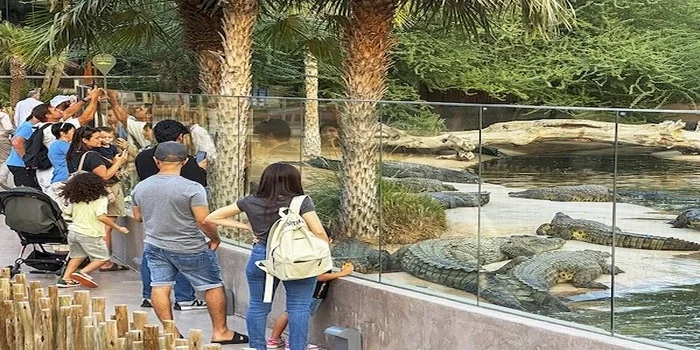
Dubai Crocodile Park is one of the most unique wildlife attractions in the UAE. Located near Mushrif Park, this park offers visitors an up-close encounter with one of nature’s most fascinating predators – the crocodile. Whether you are a family looking for a fun day out, a wildlife enthusiast, or a student eager to learn about reptiles, Dubai Crocodile Park is a destination worth exploring.
With its mix of educational exhibits, feeding sessions, aquariums, and conservation-focused displays, the park provides a memorable experience while raising awareness about crocodile preservation. Let’s explore everything you need to know before visiting.
Where Is Dubai Crocodile Park Located?
Dubai Crocodile Park is situated near Mushrif Park in Al Khawaneej, Dubai, UAE. It’s conveniently accessible from central Dubai, making it perfect for both residents and tourists. The park is also close to other wildlife attractions like Dubai Safari Park and Ras Al Khor Wildlife Sanctuary, which makes it ideal for a day trip filled with animal experiences.
Visitors can reach the park by car, taxi, or ride-hailing services. Parking is available nearby, though it’s best to arrive early during weekends to avoid crowds.
Tickets, Entry Fees, and Visiting Information
Dubai Crocodile Park offers a variety of ticket options:
- Adult Tickets: AED 50–60 (depending on season and promotions)
- Children Tickets (3–12 years): AED 30–40
- Family Passes: Available for 2 adults + 2 children, often at discounted rates
Tickets can be purchased online through the official website or at the park entrance. The park typically opens from 9:00 AM to 6:00 PM, though timings may vary during holidays or special events.
Tip: Visiting during weekdays or early mornings ensures a quieter experience and better photo opportunities.
Things to Do at Dubai Crocodile Park
1. Crocodile Feeding Sessions
One of the main highlights is the feeding session, where trained staff demonstrate how crocodiles eat. These sessions are scheduled throughout the day and provide a safe, educational experience for visitors of all ages.
2. Explore the Crocodile Aquarium
The park houses a crocodile aquarium featuring Nile crocodiles (Crocodylus niloticus) and other exotic species. Visitors can learn about their habitats, behavior, and the conservation efforts needed to protect them.
3. Visit the Crocodile Museum
The museum section showcases crocodile skeletons, fossils, and interactive exhibits. It’s perfect for kids and students interested in biology, paleontology, and wildlife conservation.
4. Educational Programs
Dubai Crocodile Park organizes educational tours for schools and families. These programs cover reptile biology, conservation, and the ecological importance of crocodiles in the wild.
5. Photography & Nature Walks
The park is designed with scenic paths and natural landscaping. Early mornings and late afternoons offer excellent lighting for photography, making it ideal for Instagram or travel blogs.
Dubai Crocodile Park: Conservation and Wildlife Education
The park is more than a tourist attraction. It plays a significant role in wildlife conservation by educating visitors about crocodiles and other reptiles. Programs focus on:
- Raising awareness about crocodile habitats
- Preventing illegal wildlife trade
- Encouraging environmental responsibility among young visitors
Conservation-focused exhibits also explain how crocodiles fit into the ecosystem and why protecting them is vital for biodiversity.
Nearby Attractions & Wildlife Spots
Dubai Crocodile Park is surrounded by other nature and wildlife destinations, making it perfect for a full-day trip:
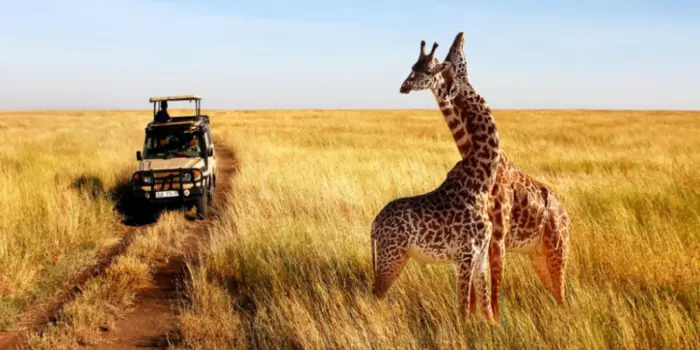
- Dubai Safari Park: Experience lions, giraffes, and elephants.
- Ras Al Khor Wildlife Sanctuary: Famous for flamingos and migratory birds.
- Mushrif Park: Ideal for picnics, walking trails, and family activities.
Visitors can combine these attractions to explore Dubai’s wildlife and natural beauty in one itinerary.
Practical Tips for Visiting Dubai Crocodile Park
- Arrive early to avoid crowds.
- Bring sunscreen, water, and hats, especially during summer.
- Wear comfortable walking shoes.
- Follow park rules, particularly around crocodile enclosures.
- Check online for ticket promotions or special feeding schedules.
FAQs – Dubai Crocodile Park
Q1: Is Dubai Crocodile Park suitable for children?
A1: Yes, it is family-friendly. Children can enjoy educational tours, aquarium visits, and supervised feeding sessions.
Q2: Are the crocodiles dangerous?
A2: Crocodiles are safely enclosed, and feeding sessions are conducted by trained staff. Visitors are not at risk.
Q3: Can non-hotel guests access Dubai Crocodile Park?
A3: Yes, the park is open to the public, and tickets are available for purchase online or at the entrance.
Q4: What are the opening hours?
A4: Generally, 9:00 AM to 6:00 PM daily. Hours may vary during holidays, so check the official website before visiting.
Q5: Is photography allowed?
A5: Yes, photography and social media content creation are permitted, but flash photography near enclosures may be restricted.
Q6: How much are tickets?
A6: Adult tickets are around AED 50–60, and children’s tickets AED 30–40. Family packages are often available at discounted rates.
Q7: Can I buy tickets online?
A7: Yes, tickets can be purchased through the official Dubai Crocodile Park website.
Q8: Are there restaurants or cafes inside the park?
A8: The park does not have major food outlets, so it’s recommended to bring snacks or visit nearby Mushrif Park facilities.
Q9: How long does a visit take?
A9: A full visit with all attractions, feeding sessions, and museum tours can take 2–3 hours.
Q10: Are there nearby attractions to combine with my visit?
A10: Yes, Dubai Safari Park, Mushrif Park, and Ras Al Khor Wildlife Sanctuary are all nearby and can be combined for a wildlife day trip.

Hi, I’m Haseeb Ahmed, the founder of KhaleejBlog.com — a premier travel platform dedicated to providing practical and up-to-date travel tips across Dubai, Saudi Arabia, Oman, and Qatar. My mission is to help travelers explore the Gulf region with ease, discover hidden gems, and make the most of every journey.