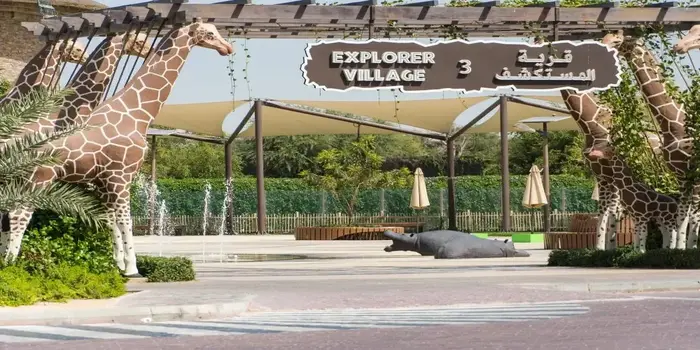
Sharjah Desert Park is one of the UAE’s most remarkable destinations for nature lovers, wildlife enthusiasts, and families looking for a peaceful outdoor adventure. Nestled along Al Dhaid Road (E88) in Sharjah, this eco-park offers a unique combination of desert landscapes, wildlife, and educational experiences. Whether you’re planning a family day out or a solo nature exploration, Sharjah Desert Park is a must-visit spot that brings you closer to the Arabian desert’s flora and fauna.
Location, Entry Fees & Timings
Location: Al Dhaid Road (E88), Sharjah (45-60 min from Dubai/central Sharjah)
Entry Fee Table (AED):
| Category | Adult | Child (3-12) | Notes |
|---|---|---|---|
| Standard | 25 | 15 | Wildlife/museum access |
| Family | 75 | – | 2 Adults + 2 Children |
| Student | 20 | 10 | Groups of 10+ |
| Under 3 | Free | – | All areas |
Open 9 AM-6 PM daily (summer 8 AM-5 PM). Children’s Farm included.
Best Time: Oct-Apr mornings (cooler temps, active wildlife viewing).
Things to Do at Sharjah Desert Park
Sharjah Desert Park is not just a desert—it’s an educational and interactive experience. Here’s what you can explore:
1. Arabian Wildlife Centre
Home to native animals like the Arabian oryx, desert fox, hyena, Arabian wolf, and Arabian leopard, this centre focuses on wildlife conservation and awareness. Visitors can see animals in spacious, naturalistic enclosures and learn about their habitats, diets, and survival strategies in the desert.
2. Children’s Farm
Ideal for families with young children, the Children’s Farm offers interactive animal encounters. Kids can feed goats, rabbits, and other friendly farm animals, making it a fun and educational experience.
3. Natural History & Botanical Museum
For those interested in the desert ecosystem, the Natural History Museum showcases geological formations, desert flora, and educational displays about the UAE’s biodiversity. The botanical section features native plants and explains their role in the desert habitat.
4. Nocturnal House & Reptile Section
Sharjah Desert Park also highlights nocturnal animals and desert reptiles. Visitors can learn about owls, desert hedgehogs, snakes, and lizards, and understand how these creatures survive extreme desert conditions.
5. Interactive Workshops & Educational Programs
The park frequently hosts workshops, ecological talks, and educational programs for children and adults. These programs focus on conservation, biodiversity, and eco-awareness, offering a hands-on learning experience.
Family-Friendly Experience
Sharjah Desert Park is perfect for families. While the park is largely natural and eco-focused, it provides shaded pathways, picnic areas, and on-site cafes for a comfortable visit. Families are encouraged to bring their own water, snacks, and sun protection, especially during summer months. The park is suitable for children of all ages, and guided tours help make the visit both fun and educational.
Best Time to Visit Sharjah Desert Park
The best time to visit is from October to April, when temperatures are moderate, and the desert experience is pleasant. Early mornings or late afternoons are ideal to avoid midday heat and to enjoy outdoor activities. Sunrise and sunset also provide excellent opportunities for photography, capturing the desert in golden light.
Nearby Attractions
Sharjah Desert Park is part of the larger Sharjah eco-tourism network. Nearby attractions include:
- Al Qurm Beach – For a coastal detour
- Muttrah Corniche – Scenic waterfront strolls
- Sharjah Aquarium – Learn about marine life
- Sharjah Heritage Area – Museums and cultural experiences
These locations make Sharjah Desert Park a central point for exploring northern UAE’s natural and cultural highlights.
Tips for Visiting Sharjah Desert Park
- Wear comfortable walking shoes and sun protection
- Bring water and snacks for the family
- Respect animal enclosures and follow park guidelines
- Photography is allowed, but avoid disturbing animals
- Plan a visit early in the day or late afternoon for cooler temperatures
FAQs About Sharjah Desert Park
Q1: What is Sharjah Desert Park famous for?
A1: The park is famous for its native wildlife, conservation efforts, interactive children’s farm, botanical gardens, and educational programs about desert ecology.
Q2: Is Sharjah Desert Park good for children?
A2: Yes, the Children’s Farm, guided tours, and interactive workshops make it ideal for kids of all ages.
Q3: How much is the entrance ticket?
A3: Ticket prices vary depending on age and access to certain sections. Most general entry tickets are affordable for families; guided tours or special programs may have additional charges.
Q4: When is the best time to visit Sharjah Desert Park?
A4: The best time is between October and April, avoiding the peak summer heat. Early mornings and late afternoons are most comfortable.
Q5: Are there restaurants or cafes in Sharjah Desert Park?
A5: Yes, the park has a few cafes and picnic areas. Visitors are also welcome to bring their own food and drinks.
Q6: Can I take photos inside Sharjah Desert Park?
A6: Yes, photography is allowed. Early mornings and sunsets offer the best lighting for desert and wildlife photos.
Q7: Is Sharjah Desert Park accessible for disabled visitors?
A7: The park has wheelchair-accessible paths and facilities, but some areas, like natural trails, may be uneven.
Q8: How long should I spend at Sharjah Desert Park?
A8: A typical visit takes 2–4 hours, depending on how many exhibits and workshops you explore.
Q9: Is Sharjah Desert Park a public or private park?
A9: It is a public park managed by Sharjah Municipality, focused on education, conservation, and family-friendly tourism.
Q10: What animals can I see at Sharjah Desert Park?
A10: You can see Arabian oryx, hyenas, Arabian wolves, desert foxes, Arabian leopards, reptiles, birds, and farm animals.