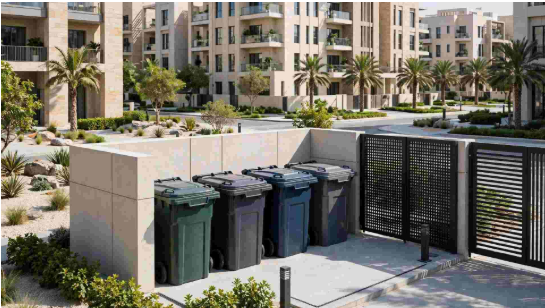
Keeping shared outdoor spaces clean is important for every residential community. Poor waste management can lead to overflowing containers, bad smells, insects, and an unpleasant living environment. Choosing the right garbage bin helps manage daily rubbish and keeps common areas tidy.
Outdoor bins for UAE residential communities need to handle daily waste, high temperatures and regular use. The right capacity ensures enough space for household rubbish, while strong lids help keep waste covered. Proper cleaning and odour control further help maintain a clean and pleasant environment for residents.
Key Factors to Consider When Choosing Outdoor Bins for UAE Residential Communities
1. Choose the Right Capacity for Outdoor Bins in Residential Communities
The size of a waste container should match the amount of rubbish produced by residents each day. A small bin may fill up quickly in a busy apartment building, while an oversized one can take up too much space in a small community.
Before choosing a size, consider the number of homes, residents, and waste collection schedules. A suitable garbage bin gives residents enough space to dispose of their rubbish without causing overflow. It also makes waste collection easier for cleaning staff.
Common Bin Sizes for Residential Areas
Different communities need different storage capacities. Some common options include:
- 120 litres: Suitable for small homes, villas or limited waste areas.
- 240 litres: A good choice for small apartment buildings and shared spaces.
- 360 litres: Useful for medium-sized residential communities.
- 660 litres: Suitable for larger apartment buildings with more daily waste.
- 1,100 litres: Ideal for large housing projects and shared waste collection points.
The final choice should depend on actual waste levels rather than building size alone.
2. Select Strong Lids to Keep Waste Covered
A good lid is an important part of any outdoor waste container. It keeps rubbish covered, reduces the spread of smells, and stops birds or stray animals from reaching the waste. In the UAE, where outdoor areas can get very hot, closed lids are especially useful.
They help limit direct exposure to sunlight and keep the waste area more organised. Residents should be able to open and close the lid without much effort, while the design should keep it firmly in place when not in use.
Different Types of Bin Lids
Several lid designs work well in residential settings:
- Flat lids: Simple to use and suitable for standard wheelie bins.
- Hinged lids: Stay attached to the container and are less likely to get lost.
- Swing lids: Allow quick disposal but may not fully seal the opening.
- Foot-operated lids: Let residents open the bin without touching the lid.
- Tight-fitting lids: Help reduce smells and prevent pests from entering.
Choose a lid based on how often the container is used and who will handle it.
3. Use Odour Control Methods for Hot UAE Weather
High temperatures can make household waste smell unpleasant, especially when food scraps and other wet rubbish remain inside containers for several hours. This can affect residents living near shared waste areas.
Regular cleaning, closed lids and timely waste collection can help control the problem. It is better to prevent smells from building up than to cover them with strong air fresheners. Proper waste handling keeps the area more pleasant and reduces the risk of attracting insects and other pests.
Practical Ways to Reduce Bad Smells
Residential communities can follow a few simple steps:
- Empty food waste regularly instead of allowing it to sit for several days.
- Keep lids closed after every use.
- Wash the inside and outside of containers on a set schedule.
- Use suitable bin liners to prevent waste from sticking to the bottom.
- Clean spills around the waste storage area as soon as possible.
- Keep wet waste separate from dry materials where local rules allow.
These small steps can make shared waste areas much easier to manage.
4. Choose Materials That Can Handle UAE Conditions
Outdoor waste containers stay exposed to sunlight, heat, dust and occasional rain. Low-quality materials may crack, fade or become weak after regular outdoor use. For this reason, it is important to choose containers made from strong materials that can handle local weather. High-density polyethylene (HDPE) is a common choice because it is durable, lightweight and resistant to moisture. Metal containers can be useful in certain settings, but they need suitable protection against rust and surface damage.
What to Check Before Buying
Look for these features when comparing materials:
- UV resistance to reduce damage from direct sunlight.
- Strong walls that can handle daily use.
- A smooth inner surface for easier cleaning.
- A sturdy base that can support the weight of rubbish.
- Resistance to water and common cleaning products.
A well-made container can last longer and reduce the need for frequent replacement.
5. Consider Wheels and Easy Handling
Large waste containers can become difficult to move when they are full. Wheels make it easier for cleaning staff to move them between collection points and waste storage rooms. This is especially helpful in large residential communities where bins need to travel across long paths.
Strong wheels should roll smoothly on common outdoor surfaces, while secure handles give staff better control. Before buying, check the wheel size, material and weight limit. Good mobility can save time and reduce the effort needed during daily cleaning work.
Features That Make Movement Easier
When selecting mobile containers, consider the following:
- Heavy-duty wheels for regular movement.
- Strong handles for a firm grip.
- Brakes to keep the container in place on sloped surfaces.
- A balanced design that does not tip easily.
- A strong base that can handle full loads.
These features help staff move waste safely without damaging the container or nearby surfaces.
6. Plan the Right Location for Outdoor Waste Containers
Even good-quality containers can cause problems if they are placed in the wrong location. Waste collection points should be easy for residents to reach but should not block walkways, parking spaces or emergency access routes.
They should be placed away from main entrances, outdoor seating areas and children’s play spaces wherever possible. At the same time, collection vehicles and cleaning staff need enough room to access them. A well-planned location keeps waste disposal simple and prevents rubbish from spreading into other parts of the community.
Important Location Factors
Before setting up a waste storage area, check the following:
- Keep containers on a flat and stable surface.
- Allow enough room for lids to open fully.
- Provide clear access for waste collection vehicles.
- Avoid placing bins too close to doors and windows.
- Choose an area with good airflow.
- Make sure the location is easy to wash and maintain.
A dedicated waste area with clear access can improve daily waste handling.
7. Separate Different Types of Household Waste
Mixing all household rubbish in one container can make recycling harder and increase the amount of waste sent to landfills. Residential communities can improve waste handling by providing separate containers for different materials.
These may include general waste, paper, plastic, glass, and food waste, depending on the local waste collection system. Clear labels and different bin colours help residents understand where each item belongs. The system should be simple enough for everyone to follow, including children, visitors and cleaning staff.
Make Waste Separation Easy for Residents
A good waste separation system should include:
- Clear labels in simple language.
- Easy-to-read signs with pictures where useful.
- Separate containers for accepted recyclable materials.
- Regular collection to prevent containers from overflowing.
- Instructions about items that should not go into recycling bins.
Community management can share these rules through notice boards, resident groups and building messages. Simple instructions encourage better habits and reduce sorting problems.
8. Set a Regular Cleaning and Maintenance Schedule
Buying strong containers is only one part of keeping a waste area clean. Regular maintenance is needed to prevent dirt, stains, leaks and unpleasant smells. Cleaning staff should check containers for broken lids, damaged wheels and cracks.
They should wash them at suitable intervals, especially during the hotter months when waste can produce stronger smells. The floor around the storage area should be cleaned as well. A clear maintenance plan helps identify small problems before they affect the entire waste collection area.
What Should the Maintenance Plan Include?
A simple cleaning routine can cover these tasks:
- Check containers daily for overflow.
- Remove rubbish left outside the bins.
- Wash containers at planned intervals.
- Check lids, handles and wheels for damage.
- Replace broken or unsafe containers.
- Keep drainage areas clear to prevent standing water.
Property managers should assign these tasks to specific staff members and keep a record of completed checks. This makes it easier to maintain consistent cleaning standards.
9. Follow Local Waste Management Rules
Residential communities should check local waste collection and disposal rules before buying containers. Requirements may differ based on the area, property type and waste collection provider. Some locations may have specific rules for container placement, recycling, collection access and the handling of large or special waste items.
Following these rules helps prevent collection problems and keeps shared areas organised. Property managers should contact the relevant local authority or waste service provider to confirm current requirements before setting up a new waste storage system.
It is also useful to share disposal instructions with residents. Items such as furniture, electronic waste, batteries and construction waste may need separate collection arrangements. They should not be placed in regular household waste containers unless the local service provider allows it.
Conclusion
Choosing suitable outdoor bins for UAE residential communities requires attention to capacity, lid design, material quality, and odour control. The right size prevents overflow, while strong lids help keep rubbish covered and reduce pest problems. Durable materials, easy-to-use wheels and well-planned storage locations make daily waste handling easier.
Regular cleaning, proper waste separation and timely collection are just as important as choosing the right containers. By following these key steps, property managers can maintain cleaner shared spaces, reduce bad smells, and create a more pleasant living environment for residents.