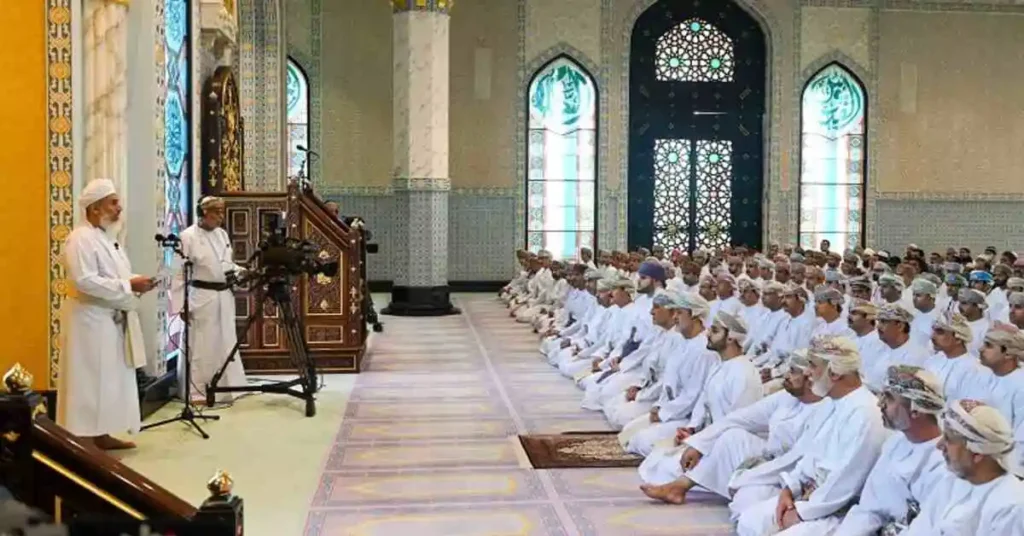
Praying in Saudi Arabia feels different. Maybe it’s because you’re in the land where Islam began, or maybe it’s hearing the Adhan echo from the Grand Mosque in Mecca. Whatever brings you here – work, pilgrimage, or home – knowing the exact prayer times keeps you connected to this blessed routine.
This guide gives you everything about prayer times across Saudi Arabia’s major cities. No fancy words or confusing details, just simple information that helps you pray on time, every time. Check Kuwait prayer times.
Today’s Prayer Times in Saudi Arabia
Let’s get straight to what you need – today’s prayer times in the Kingdom’s main cities.
Riyadh Prayer Times Today:
- Fajr: 4:48 AM
- Dhuhr: 11:38 AM
- Asr: 2:45 PM
- Maghrib: 5:07 PM
- Isha: 6:37 PM
Jeddah Prayer Times Today:
- Fajr: 5:15 AM
- Dhuhr: 12:08 PM
- Asr: 3:19 PM
- Maghrib: 5:42 PM
- Isha: 7:12 PM
Mecca Prayer Times Today:
- Fajr: 5:12 AM
- Dhuhr: 12:05 PM
- Asr: 3:16 PM
- Maghrib: 5:39 PM
- Isha: 7:09 PM
Medina Prayer Times Today:
- Fajr: 5:15 AM
- Dhuhr: 12:06 PM
- Asr: 3:14 PM
- Maghrib: 5:36 PM
- Isha: 7:06 PM
Dammam Prayer Times Today:
- Fajr: 4:36 AM
- Dhuhr: 11:24 AM
- Asr: 2:29 PM
- Maghrib: 4:51 PM
- Isha: 6:21 PM
Notice how Riyadh and Dammam have earlier times? That’s because they’re in the Eastern region. Jeddah, Mecca, and Medina are on the Western coast, so their times run a bit later. Geography matters when it comes to prayer times.
Understanding Prayer Times in Saudi Arabia
Prayer times aren’t just random schedules someone created. They’re based on the sun’s position in the sky throughout the day. This natural connection means Muslims worldwide pray at the same relative times, even if their clocks show different numbers.
Saudi Arabia uses a specific calculation method called Umm al-Qura, developed right here in Mecca at Umm al-Qura University. This method is special because it comes from Islam’s holiest city. When you follow Saudi prayer times, you’re following calculations made where the Kaaba stands.
The five daily prayers mark different stages of the day. From the quiet pre-dawn moments of Fajr to the peaceful night prayer of Isha, each prayer has its own window and purpose. Together, they create a rhythm that keeps your day spiritually grounded.
Fajr Prayer Time in Saudi Arabia
Fajr starts your day in the best way possible – standing before Allah when most people are still asleep. In Riyadh, it’s around 4:48 AM these days. In Jeddah and the Western cities, you get about 20-30 minutes more sleep because Fajr is closer to 5:15 AM.
Fajr timing depends on when the sky starts showing its first light. Not sunrise – that comes later. Fajr is about that early twilight when darkness begins to fade. The prayer window closes when the sun actually rises, giving you roughly an hour to complete it.
Many people find Fajr challenging because waking up early is tough. But ask anyone who prays Fajr regularly, and they’ll tell you it’s worth it. There’s something peaceful about those quiet morning moments that sets a positive tone for your entire day.
In Saudi Arabia, especially in Mecca and Medina, hearing the Fajr Adhan from the Grand Mosques is an experience you never forget. The sound carries through the city, calling everyone to prayer.
Dhuhr Prayer Time in Saudi Arabia
Dhuhr arrives when the sun passes its highest point and starts dropping toward the west. In Riyadh, that’s around 11:38 AM. In Jeddah, Mecca, and Medina, it’s closer to 12:05-12:08 PM.
For working people in Saudi Arabia, Dhuhr is the midday prayer break. Offices close, shops pause, and everyone heads to pray. This is one of the beautiful things about living in the Kingdom – the whole society supports your prayer schedule.
The timing makes perfect sense. Halfway through your day, you pause to remember Allah. It’s like hitting a reset button that helps you approach the afternoon with renewed focus and energy.
If you’re visiting Saudi Arabia during work hours, plan around Dhuhr. Shops close about 15-20 minutes before prayer time and reopen afterward. It’s not an inconvenience – it’s a reminder of what truly matters.
Asr Prayer Time in Saudi Arabia
Asr is your afternoon prayer, falling between 2:29 PM and 3:19 PM depending on which city you’re in. This is the third prayer of the day and comes during that late afternoon period when shadows start growing longer.
Saudi Arabia follows the Standard (Shafi, Hanbali, Maliki) method for Asr calculation. This is the majority view among Islamic scholars and determines when the prayer time officially begins based on shadow length.
Asr has a special significance because it marks the transition from day toward evening. Your workday might be winding down, but Asr reminds you to keep your spiritual connection strong even as you finish your tasks.
In the holy cities of Mecca and Medina, Asr time sees many people heading to the Grand Mosques for congregation prayer. If you’re there for Umrah or Hajj, praying Asr in these blessed places is an unforgettable experience. Check UAE prayer times.
Maghrib Prayer Time in Saudi Arabia
Maghrib happens right after sunset. In Riyadh and Dammam, that’s around 5:07 PM and 4:51 PM. In the Western cities, it’s closer to 5:40 PM.
This is probably the most precise prayer time because it’s directly tied to when the sun disappears below the horizon. There’s no calculation debate here – once the sun sets, Maghrib begins.
Maghrib holds a special place during Ramadan because it marks Iftar time. When you hear the Maghrib Adhan during fasting, it’s the most beautiful sound. Families gather, dates are eaten, and the day’s fast is broken together.
The window for Maghrib is shorter than other prayers. You have until twilight fades completely, which is roughly 90 minutes. But most people pray soon after the Adhan because waiting too long means you might miss the optimal time.
Isha Prayer Time in Saudi Arabia
Isha is your final prayer of the day. In Saudi Arabia, using the Umm al-Qura method, Isha comes exactly 90 minutes after Maghrib. So if Maghrib is at 5:40 PM, Isha is at 7:10 PM.
This fixed interval is unique to the Saudi calculation method. Other countries might calculate Isha based on twilight disappearance, but Saudi Arabia uses this 90-minute rule for consistency.
Completing Isha means you’ve fulfilled all five daily prayers. Many Muslims feel a sense of peace and completion at this point. You’ve maintained your spiritual obligations throughout the day, from dawn till night.
During Ramadan, Taraweeh prayers happen after Isha. In Mecca and Medina, the Taraweeh prayers at the Grand Mosques are magnificent. Thousands pray together, and the recitation of the Quran fills the night air.
How Prayer Times Are Calculated in Saudi Arabia
Saudi Arabia uses the Umm al-Qura calculation method, which comes from Umm al-Qura University in Mecca. This is the official method for the entire Kingdom and holds special significance because it originates from Islam’s holiest city.
Here’s how it works: Fajr begins when the sun is 18.5 degrees below the horizon. This is the angle that determines when dawn’s first light appears. For Isha, instead of using an angle, Saudi Arabia sets it at exactly 90 minutes after Maghrib.
Your location within Saudi Arabia matters. Riyadh and Dammam are in the East, so they see sunrise earlier than Jeddah, Mecca, and Medina on the West coast. This creates the 20-30 minute time differences you notice.
The calculation also accounts for your city’s latitude and longitude. Even within the same region, two cities might have slightly different prayer times based on their exact coordinates.
Modern technology makes these calculations automatic. Apps and websites use your GPS location to give you precise prayer times without you needing to understand the complex math behind it.
Why Accurate Prayer Times Matter in Saudi Arabia
In the Kingdom, prayer times aren’t just personal information – they affect the entire society. When Adhan sounds, traffic changes, stores close, and everyone shifts focus to prayer. Being on the right schedule keeps you in sync with daily life here.
From an Islamic perspective, praying at the correct time is part of the prayer’s validity. Each prayer has a specific window. Praying too early or too late creates problems. Accuracy ensures you’re fulfilling your obligation properly.
Saudi Arabia takes prayer times seriously because it’s the guardian of Islam’s holiest sites. The prayer times announced from Mecca and Medina are followed by Muslims worldwide. This responsibility means the calculations need to be precise and trustworthy.
For pilgrims doing Hajj or Umrah, knowing exact prayer times is crucial. The rituals have specific timing requirements. Missing a prayer time during these important acts of worship isn’t something anyone wants.
Prayer Times During Ramadan in Saudi Arabia
Ramadan in Saudi Arabia is special. The holy month brings unique focus to Fajr and Maghrib times.
Fajr marks when your fast begins. You stop eating a few minutes before Fajr to be safe. This is Suhoor time – that pre-dawn meal that gives you energy for the day ahead. In Saudi Arabia, especially in Mecca and Medina, the Fajr Adhan during Ramadan is incredibly moving.
Maghrib is when you break your fast. The moment that Adhan sounds, dates are eaten, water is drunk, and families come together. In the Kingdom, this moment is observed everywhere – from grand Iftar gatherings in Mecca to family dinners in Riyadh homes.
Taraweeh prayers after Isha are a Ramadan highlight. The Grand Mosques in Mecca and Medina host these special prayers with beautiful Quran recitation. Hundreds of thousands pray together, creating an atmosphere you can’t find anywhere else in the world.
Prayer times during Ramadan vary depending on when the month falls. If Ramadan is in summer, Fajr comes very early and Maghrib late, making long fasting days. In winter, the reverse is true – shorter, more manageable fasts.
Best Apps for Saudi Arabia Prayer Times
Technology makes tracking prayer times easy. Here are the most reliable options used throughout the Kingdom:
Muslim Pro is probably the most popular prayer app worldwide. It automatically detects your location in Saudi Arabia and gives you accurate times based on the Umm al-Qura method. You get Adhan notifications, Quran features, and more.
Athan focuses on the essentials – accurate prayer times and beautiful Adhan calls. It’s simple, clean, and does exactly what you need without overwhelming you with extra features.
Islamic Finder works great if you travel around Saudi Arabia. Whether you’re in Riyadh, Jeddah, or any small town, it adjusts automatically to give you local times.
Saudi Prayer Times apps specifically designed for the Kingdom often pull data directly from official Saudi sources. These are worth checking if you want to be absolutely certain you’re following the government-approved times.
Most apps let you choose your Adhan notification sound. Some people prefer the Mecca Adhan, others like the Medina one. It’s nice having that personal choice while still getting accurate timings.
Prayer Time Differences Across Saudi Cities
Saudi Arabia is a large country stretching from the Red Sea to the Arabian Gulf. This geographic spread creates noticeable prayer time differences.
Eastern cities like Riyadh and Dammam see sunrise and sunset earlier than Western cities. That’s why their Fajr is around 4:30-4:50 AM while Jeddah’s is closer to 5:15 AM. The same pattern continues throughout the day.
The difference between Riyadh and Jeddah can be 25-30 minutes. Between Dammam (far East) and the Western cities, it might be even more. If you’re traveling between regions, adjust your prayer app to your current location.
Southern cities like Najran have different times too. Northern areas near Tabuk also vary. The key is making sure your location settings are accurate wherever you are in the Kingdom.
Most differences range from 15-45 minutes depending on how far apart the cities are. It’s not huge, but it’s enough that you need to pay attention, especially for Fajr when timing is crucial.
Finding Mosques in Saudi Arabia
Saudi Arabia has mosques everywhere. In cities, you’ll find one in every neighborhood. In rural areas, you’ll still never be far from a place to pray.
In Riyadh, the capital has thousands of mosques. The King Fahd Grand Mosque is a landmark. You’ll also find neighborhood mosques throughout all districts – Olaya, Diplomatic Quarter, King Abdullah Financial District, everywhere.
Jeddah has beautiful mosques along the Corniche and throughout the city. The floating mosque on the Red Sea is famous. Like all Saudi cities, every neighborhood has multiple mosques within walking distance.
Mecca is home to the most sacred mosque in Islam – Masjid al-Haram surrounding the Kaaba. Being here for any prayer is an incredible blessing. The city’s other mosques are always busy too, especially during Hajj and Umrah seasons.
Medina hosts the Prophet’s Mosque (Masjid an-Nabawi), the second holiest site in Islam. Praying here, especially in the Rawdah, is every Muslim’s dream. The city’s other mosques serve the local community and millions of visitors.
Dammam and the Eastern Province have modern mosques serving the large population. You’ll find mosques in every area, with beautiful architecture and excellent facilities.
In Saudi Arabia, mosques aren’t just for prayer. They’re community centers where people gather, learn, and support each other. You’re always welcome.
Prayer Times Resources and Tools
Beyond apps, several resources help you track prayer times in Saudi Arabia.
The official Umm al-Qura calendar is published by the government and used nationwide. You can find it online or in printed form. Many offices and homes keep a copy on the wall.
Local newspapers like Arab News and Saudi Gazette publish daily prayer times. Many people check these while reading morning news.
Radio and TV broadcasts announce prayer times throughout the day. Before each prayer, you’ll hear reminders on Saudi channels.
Mosque websites often post monthly prayer timetables. If you have a local mosque you frequent, they usually have calendars available.
Smart home devices can now give you prayer times through voice commands. Just ask about Fajr time in your city, and you’ll get an immediate answer.
Frequently Asked Questions About Saudi Arabia Prayer Times
How often do prayer times change in Saudi Arabia? Every single day. The changes are usually small – just a minute or two – but they happen daily because of Earth’s rotation and seasonal shifts.
Why does Saudi Arabia use 90 minutes for Isha? The Umm al-Qura method sets Isha at 90 minutes after Maghrib for consistency. Other methods calculate it based on twilight angles, but Saudi Arabia chose this fixed interval approach.
Do all of Saudi Arabia’s cities follow the same calculation method? Yes, the entire Kingdom uses Umm al-Qura. But the actual times differ based on each city’s location.
Can I pray with different city’s times if I’m traveling? You should follow the times for wherever you physically are. If you’re in Riyadh, use Riyadh times even if you live in Jeddah.
What if I miss a prayer time in Saudi Arabia? Make it up (Qada prayer) as soon as you realize and can pray. Life happens, but making up missed prayers is important.
How do I know if my app is using the correct Saudi method? Check your app’s settings. Make sure it’s set to “Umm al-Qura” or “Saudi Arabia” as the calculation method.
Are prayer times accurate for small towns not listed? Yes. Most apps use GPS to calculate times for any location, not just major cities. Your exact coordinates give you accurate local times.
The Spiritual Significance of Praying in Saudi Arabia
Praying in the land where Islam began carries special meaning. The same sun that determines your prayer times today determined them for Prophet Muhammad (peace be upon him) centuries ago.
In Mecca, praying at the Kaaba multiplies your prayer’s reward. Standing in those blessed rows, facing the direction Muslims worldwide face, creates an indescribable spiritual connection.
Medina’s Prophet’s Mosque brings you close to where the Prophet lived and taught. The peace you feel praying there comes from being in a place blessed by his presence.
Even regular prayers in Riyadh, Jeddah, or anywhere in Saudi Arabia feel different. You’re in a country where the entire society stops for prayer. Everyone around you shares this commitment. This collective devotion strengthens individual faith.
Islamic Foundations and Prayer
Prayer (Salah) is the second of Islam’s Five Pillars. It’s that important. The five pillars – Shahada (faith), Salah (prayer), Zakat (charity), Sawm (fasting), and Hajj (pilgrimage) – are Islam’s foundation.
Among these, prayer is unique because it’s repeated five times daily. Hajj happens once if you’re able. Ramadan comes once a year. But prayer is your constant connection to Allah throughout every single day.
This makes prayer times crucial. They’re your daily appointments with your Creator. Missing them means missing opportunities to strengthen your faith, find peace, and seek guidance.
Living in Saudi Arabia makes maintaining these prayers easier because everything supports them. Work schedules, store hours, even traffic patterns acknowledge prayer times. It’s a blessing not everyone in the world has.
Preparing for Prayer in Saudi Arabia
Before praying, you need Wudu (ablution). This washing ritual cleanses you physically and spiritually. Saudi mosques always have excellent Wudu facilities with running water and clean spaces.
Proper dress is required. Men should cover from navel to knees minimum. Women should cover everything except face and hands. In Saudi Arabia, most people dress modestly in public anyway, so this isn’t usually an issue.
Prayer spaces in the Kingdom are everywhere. Every mosque, mall, office building, and public facility has designated prayer areas. You’re never stuck without a place to pray.
During prayers at the Grand Mosques in Mecca and Medina, arrive early if you can. These places get crowded, especially during peak times. Coming early helps you find good spots and prepare mentally for prayer.
The Call to Prayer in Saudi Arabia
The Adhan in Saudi Arabia is special. Hearing it echo from the Grand Mosque in Mecca or the Prophet’s Mosque in Medina is unforgettable.
In cities, you’ll hear Adhan from multiple nearby mosques. Sometimes they overlap slightly, creating a beautiful wave of calls to prayer across the neighborhood. It’s one of the most distinctive sounds of life in the Kingdom.
The Adhan’s words are the same everywhere, but hearing them in Saudi Arabia – especially in the holy cities – adds extra meaning. You’re hearing them in the land where Islam began, where the Prophet himself heard them centuries ago.
For Fajr, the Adhan includes an extra phrase: “Prayer is better than sleep.” This gentle reminder helps people wake up for the dawn prayer. In the quiet pre-dawn hours, it’s a beautiful sound that starts the day right.
Living in Sync with Prayer Times
Life in Saudi Arabia revolves around prayer times. You don’t fight against them or try to squeeze prayers into a busy schedule. Instead, your schedule naturally builds around the five daily prayers.
Work starts after Fajr. Meetings pause for Dhuhr. Afternoon work happens between Dhuhr and Asr. Evening activities begin after Maghrib. Late gatherings work around Isha. This rhythm becomes natural quickly.
Shopping also follows prayer patterns. Stores close about 15-20 minutes before each prayer and reopen afterward. You learn to plan errands around these breaks. It’s not an inconvenience once you’re used to it – it’s just part of life.
Social gatherings respect prayer times too. If you’re invited to dinner, it’ll be timed after Maghrib. Late night visits happen after Isha. Everything naturally aligns with the prayer schedule.
This societal support for prayer times is one of Saudi Arabia’s unique blessings. Nowhere else in the world does an entire country pause five times daily for prayer.
Conclusion
Prayer times in Saudi Arabia connect you to something bigger than yourself. From the pre-dawn quiet of Fajr to the peaceful night of Isha, these five daily appointments with Allah shape your entire day.
The Kingdom makes following prayer times easy. Accurate calculations from Umm al-Qura University, apps that track your location, and a society that supports worship at every turn – you have all the tools you need.
Whether you’re in Riyadh’s busy streets, on Jeddah’s Red Sea coast, or blessed to be in Mecca or Medina’s holy cities, your prayer times keep you grounded. They’re moments of peace in busy days, spiritual fuel that keeps you going, and a practice that connects you to Muslims worldwide.
Remember these key points: prayer times change daily, each Saudi city has slightly different times based on location, the Umm al-Qura method is official throughout the Kingdom, and countless resources help you stay updated.
Make prayer times your priority. Set notifications, check your schedule, and never miss these precious moments with Allah. The reward isn’t just in the hereafter – the peace and purpose you feel today make every prayer worth it.
May Allah accept all our prayers and make it easy for us to maintain this beautiful practice throughout our lives, especially in this blessed land of Saudi Arabia.