Your pet’s health can go bad anytime if not looked after properly. One second they are healthy, happy, and running around the house. The next second they are quiet, withdrawn, and not eating their food properly. But noticing such a behavioral change is not easy for someone who has a busy schedule.
As of 2026, things have changed when it comes to pet activity monitoring in Dubai and across the UAE. With the introduction of activity data, digital health records, video consultation, and various monitoring tools, vets have access to useful information related to your pet’s health. Happy Tails, a pet clinic in Dubai, may give you a better consultation during a visit.
Vets aren’t necessarily being replaced by robots; rather, technology is being used to assist vets in understanding your pet’s behavior during hours that are not spent at the clinic.
Your Pet’s Routine: A New Insight Into Their Health
Most vet visits consist of the pet owner describing their pet’s behavior changes, such as them seeming different, behaving oddly, or not eating properly. This was the ‘data’ that vets generally relied on before performing further analysis.
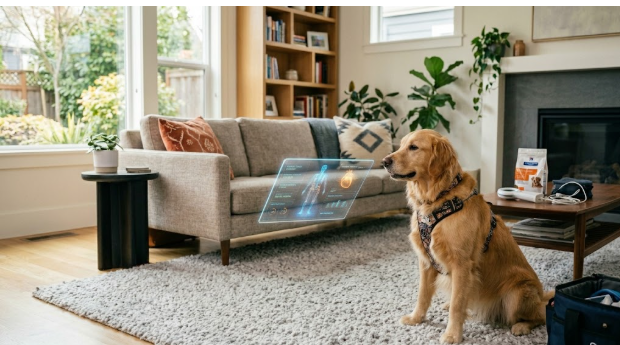
And although these observations do matter greatly, any gradual change in behavior is surprisingly easy to miss for owners who see their pets every day. We have technology now such as smart collars, activity trackers, and other monitoring devices that add a layer of information for your vets to study.
Depending on the device, your pet’s movement, their time of rest, activity patterns, and other behavior will be monitored, measured, and compared, assessing if any changes have occurred over time. The current behavior is compared by the software with the overall behavioral pattern of the pet
A small change does not immediately mean that it’s either a disease or an illness, but if several unusual changes are observed, then that gives the owner a good reason to pay closer attention to their pet.
What Kind of Changes Does AI Spot?
We might be able to interpret the meaning behind a cat’s or a dog’s voice, or their tone. But we haven’t yet grasped the full extent of their language. And pets don’t exactly have the ability to convey an injury or illness either. This is where AI-assisted monitoring comes in handy and observes things such as:
- A decrease in your pet’s activity. Especially if it moves around less and less, spending more time resting.
- Changes in movement such as slower walking or having a hard time getting up or running.
- A change in sleeping pattern, such as staying asleep more rather than being active.
- Gradual decline in activities such as playing or going for walks.
- Overall change in daily routine which may include eating, drinking, or moving around based on time of the day.
AI does not need to identify a disease to be useful; rather, sometimes simply noticing that your pet is behaving differently can be enough reason to keep a closer eye on them or arrange a veterinary check-up.
But remember that AI monitoring is not a diagnosis; it can only give you a general idea of their symptoms and whether a major change has occurred in their routine. Physical examination, medical interpretation, and overall diagnosis is something that must be done at a professional veterinary clinic.
Knowing When Your Pet Needs a Clinic
Although a home visit is good and convenient for routine check-ups, some conditions require the right equipment and facilities for further treatment, which may only be available at a clinic. Your pet may need a clinical visit in the following cases:
- Blood tests or other laboratory work
- X-rays or advanced imaging
- Surgery or other procedures
- Continuous monitoring
- Emergency or intensive treatment
A veterinarian can assess your pet and let you know when a home visit is enough and when further care at a clinic is needed.
Prepare Your Pet’s Information For Mobile Vet Visits
If you are arranging for a mobile vet in Dubai, you can prepare all the important details before their arrival. This may include a list of small changes in your pet’s behavior along with any other visible symptoms. You can also do the following:
- Take a short video if your pet is walking differently, struggling to move, or showing unusual behaviour.
- Take clear photos of visible problems such as skin irritation, swelling, or wounds.
- Keep a list of your pet’s current medications and supplements.
- Gather any previous records related to pet vaccinations in Dubai.
- Write down when the symptoms started and whether they have become better or worse.
- Note any recent changes in activity, eating, drinking, sleeping, or bathroom habits.
- Mention anything unusual you noticed, even if it seems minor.
Having these details ready gives the veterinarian more information to work with during the examination. They can review what you have captured, ask more specific questions, and decide whether further testing or treatment is needed.
Why Activity Tracking Helps Older Pets
Older pets can develop gradual changes in their movement, activity, and daily routine that are easy to miss. Collecting this information over time gives the vet a better idea of what is normal for the pet and what has changed.
For example, a senior dog with arthritis may slowly become less active over several weeks. Regular activity information can help show these changes more clearly, giving the vet useful details to consider during check-ups and follow-ups.
The same information can also be useful after treatment, helping owners and vets see whether the pet is returning to its usual routine or needs further attention.
AI Only Supports Veterinary Care
AI can help collect and identify changes in your pet’s activity, behaviour and other health information, but it cannot replace a veterinarian.
Wearable data may not always have the full context, and symptoms can look different depending on a pet’s age, breed and health history. A physical examination is still important when a pet is unwell.
The most useful role of AI is to give vets more information to work with. It can help highlight changes, organise records and provide a clearer picture of what has been happening between visits.
In simple terms, AI can support veterinary care, but the vet still makes the medical assessment and treatment decisions.
How Happy Tails Fits Into Modern Home Care
Modern home veterinary care is not about replacing the clinic. It is about making veterinary support easier to access when travelling to a clinic is difficult or unnecessary.
Happy Tails Veterinary Clinic provides mobile veterinary services across Dubai, along with the main Nad Al Sheba vet clinic. Home visits can be useful for routine examinations, vaccinations, follow-ups and other suitable cases, while the clinic remains available when your pet needs further testing, surgery or more involved treatment.
This gives pet owners more flexibility while keeping professional veterinary care at the centre of the process.
Frequently Asked Questions
Can AI diagnose my pet at home?
No. AI can help spot unusual patterns, but diagnosis still requires a veterinarian.
Can every condition be treated during a home visit?
No. Some conditions require testing, surgery, or treatment at a veterinary clinic.
Are pet wearables useful for healthy pets?
Yes. They can help track normal activity and make unusual changes easier to notice.
When should I contact Happy Tails Veterinary Clinic?
Contact a vet if you notice ongoing or unusual changes in your pet’s behaviour, appetite, movement or overall health.
Does pet insurance cover smart wearable devices?
Usually not directly, but some insurers offer discounts for pets using health-tracking devices.