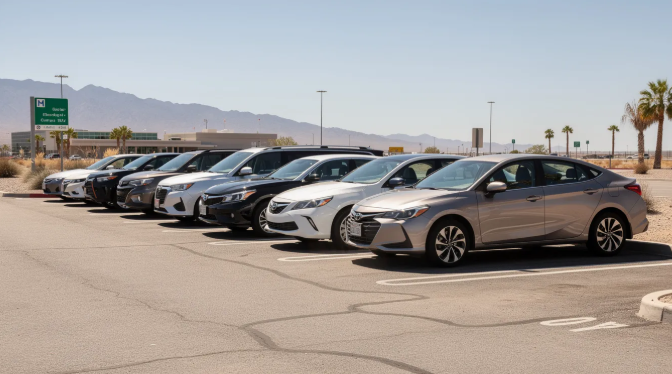
A compact car listed at QAR 120 per day on a booking platform looks like a bargain. By the time you add mandatory insurance, airport surcharges, and optional waivers at Hamad International Airport, that daily rate often climbs to QAR 180 or QAR 220. The gap between the headline price and the final invoice is where most travelers lose money when renting a car in Qatar.
Insurance pitfalls are the primary reason visitors overspend or discover unexpected credit card charges weeks after returning home. This article focuses on those traps: what Qatar’s rental car insurance actually covers, which fees are buried in the fine print, and how to build a smarter coverage strategy before you start driving. Standalone excess insurance providers such as CarInsuRent offer a digital alternative that cuts cost and removes the pressure of hard-sell policies at the rental desk. If you follow regional travel tips on Khaleej Blog, you already know the GCC has its own distinct regulations. Whether your road trip itinerary is limited to Qatar or extends across the border to cross off the top 7 things to do in the UAE, keeping an eye on local transport rules is essential; this guide drills specifically into Qatar’s insurance-related ones.
How Rental Car Insurance in Qatar Actually Works
Qatari law requires every rental vehicle to carry compulsory third party insurance. Under the country’s traffic legislation (Law No. 1 of 2021), this liability coverage pays for injuries or property damage you cause to others. It does not pay for damage to the car you are driving.
To cover the rental car itself, car rental companies lay on a collision damage waiver (CDW) or Loss Damage Waiver (LDW). These are waivers, not insurance policies. A CDW limits your financial liability for collision or theft damage, but only down to an excess (deductible) that you still owe out of pocket.
For economy hatchbacks like a Hyundai Accent, that excess typically sits between QAR 1,000 and QAR 2,000. Mid-size SUVs push it to QAR 2,500 to QAR 4,000. Luxury SUVs and premium sedans can carry excesses of QAR 4,000 to QAR 5,000 or higher.
Rental agencies also sell a Super Collision Damage Waiver (SCDW), which reduces or eliminates the excess for an additional daily fee. SCDW on economy cars costs roughly QAR 30 to QAR 60 per day; on luxury vehicles, the premium jumps further. Mandatory insurance alone can add $25 per day to rental costs before any optional upgrades. Even with SCDW, exclusions persist: damage to tyres, rims, windscreens, undercarriage, roof, interior, and towing from unpaved roads is typically not covered. Most rental car companies require a valid police report for any damage incident, or the waiver protection is voided entirely.
Common Insurance-Related Mistakes Travelers Make in Qatar
Visitors from Europe, Asia, and North America often apply home-country assumptions to Qatar’s insurance coverage rules. The norms here differ in ways that create real financial exposure. A few things trip people up repeatedly.
The most common mistakes include:
- Assuming personal auto insurance applies abroad. Most domestic auto policies do not extend to Qatar. Renters discover this only after filing a claim that gets rejected.
- Relying on credit card coverage without checking Qatar eligibility. Many credit card rental insurance policies exclude Qatar outright, or treat coverage as secondary only. Credit card insurance may have restrictions complicating claims, and some rental agreements may require credit card coverage to be initiated by paying the entire rental with that card.
- Skipping excess protection because the booking says “fully insured”. A renter from London in December 2025 booked a mid-size car marketed as fully insured. The rental agreement revealed a QAR 5,000 excess and excluded tyres and windscreen damage. A curb rash at a West Bay parking lot cost them far more than the daily rental rate.
- Signing insurance documents in a rush at airport pickup. Counter staff at Hamad International often present SCDW or “premium cover” as urgent add-ons. Without reading the rental terms beforehand, renters accept packages that duplicate existing coverage or carry unfavourable cancellation terms.
Review your rental contract to uncover undisclosed charges before you sign. Not understanding local traffic rules can result in fines that compound the cost of poor insurance decisions. Careful reading of insurance documents and rental agreements before arrival is the single best defence.
Understanding Excess, Collision Damage Waiver, and What Is Not Covered
The excess (deductible) is the amount you pay out of pocket before a waiver or insurance kicks in. If you scrape a rental car with a QAR 3,000 excess and the repair costs QAR 2,500, you pay the full QAR 2,500. If the repair costs QAR 8,000, you pay QAR 3,000 and the waiver absorbs the rest.
A collision damage waiver is often not actual insurance but a waiver. It limits, rather than eliminates, your liability. Car hire excess insurance from a third-party provider like CarInsuRent reimburses the excess you pay, but operates separately from the rental company’s waiver.
Zero-excess packages sold at the desk eliminate the deductible but cost 50% to 100% more per day than reduced-excess options. Even with zero-excess cover, the following items remain excluded at most Qatar rental agencies:
- Tyres, rims, and alloy wheels
- Windscreen and mirror glass
- Undercarriage and roof damage
- Interior damage, lost keys, and misfuelling
- Towing from off-road or desert tracks
In Doha, curb rash and alloy damage in tight West Bay parking lots and chipped windscreens on construction-heavy ring roads are routine. These are the exact damage types that standard CDW does not cover. Standalone excess reimbursement policies, such as those from CarInsuRent, cover many of these excluded elements, including tyre damage and roof and undercarriage damage.
Age Limits, Licences, and When Insurance Won’t Protect You
Eligibility rules around minimum age, licence validity, and International Driving Permits directly determine whether your insurance coverage is valid if something goes wrong.
Qatar’s minimum age for standard car rental is 21. Renters under 25 face surcharges or higher excess rates; some rental car companies restrict young drivers from premium and luxury classes entirely, requiring age 25 or older. Violating these age rules can void CDW or SCDW coverage outright.
You need a valid driver’s license held for at least one to two years. Have a valid driver’s license and passport ready at pickup. Non-Roman alphabet licences (Chinese, Arabic, Japanese, Korean) often require an International Driving Permit or a certified Arabic translation. Failing to present proper documentation at the time of an accident can void your coverage.
Unlisted drivers on the rental agreement can invalidate insurance coverage. If a spouse, colleague, or friend drives the car without being named in the contract, the rental company will treat any damage as the renter’s full liability. Rental firms like Sixt Qatar state this explicitly in their terms. Driving off-road or on desert terrain may void rental insurance coverage unless specific off-road permission is purchased in writing.
Airport Pickup vs City Branches: Insurance Pricing Tricks
Location shapes your insurance cost more than most travelers expect. Airport pickup at Hamad International commonly bundles higher daily insurance charges and mandatory “premium location” protection into the quote.
Collecting the same compact car from a downtown Doha branch in West Bay or the city center (Al Sadd, for instance) often avoids the airport concession fee entirely. For a four-day rental, skipping the airport branch can save QAR 60 to QAR 150 in location surcharges alone, before accounting for the insurance price difference.
Limited availability at the airport during peak months (November through March) pushes prices higher still. If you are planning a multi-city regional itinerary during these cooler winter months – such as driving across the border to experience the best outdoor activities in Dubai – budget-conscious travelers can save by taking the Doha Metro or a taxi into town, then renting from a city branch and pair it with cheaper third-party excess cover. The rental process at city branches is identical; the only difference is the surcharge line item that disappears from the invoice.
Young Drivers, Luxury Cars, and Other High-Risk Categories
Some segments of Qatar’s rental market attract disproportionate insurance cost. Young drivers under 25, large SUVs, and luxury brands all fall into higher-risk pricing tiers with steeper excesses and compulsory packages.
Prestige sedans and large 4x4s popular for desert road trip excursions can carry excesses above QAR 5,000 and, in some cases, above QAR 8,000. Damage assessment on these vehicles tends to be stricter, and disputes over paint, body panels, and alloy repairs are more common. If you are considering a larger vehicle for a desert trip, review the exotic car rental insurance implications before booking.
Avoid renting a vehicle class that exceeds your actual needs. If your itinerary is urban Doha with no off-road driving, a compact or mid-size sedan keeps the excess lower (QAR 1,500 to QAR 2,500 vs QAR 4,000+), the daily insurance premium smaller, and the budget under control. Match the vehicle to the trip, not to the Instagram photo.
Extra Charges After an Incident: Admin, Downtime, and Fines
After a scrape or collision in Qatar, the bill includes more than just the repair cost and the excess. Extra charges accumulate quickly.
Typical post-incident fees from rental agencies include:
- Administrative/claims processing fees: QAR 200 to QAR 500 per incident.
- Vehicle downtime or “loss of use” charges: billed per day the car is off the road for repair.
- Towing and storage: especially if the car is recovered from unpaved roads or rural areas.
- Traffic fine handling fees: QAR 50 to QAR 150 per fine, plus the fine itself. Not understanding local traffic rules, speed limits, and parking rules can result in fines that multiply fast.
Late returns can lead to significant late fees; some companies charge an extra half-day or full-day rate for delays as short as 30 minutes.
A police report is mandatory in Qatar for any insurance claim to be valid. Insurance in Qatar does not cover damages if the car is moved before police notification. Inspect rental vehicles before and after every rental period. Document existing damage with photos before driving away. Skipping vehicle inspection can lead to unexpected charges. Report any pre-existing damage to the rental company immediately, and insist on a signed check-in report at both pickup and drop-off. Return the car on time to avoid late fees, and monitor your credit card statements for 30 to 60 days; some rental contracts allow post-return charges for newly received fines or damage re-assessments.
Standalone excess reimbursement cover, such as from CarInsuRent, may reimburse many of these costs, but only if you keep documentation: police report, repair invoices, and timestamped photos. The claims process requires clear records.
Why Standalone Excess Insurance Can Be Cheaper and Safer
There is a structural price difference between buying excess waivers at the rental desk and purchasing digital excess reimbursement cover before you travel.
Qatar rental desks sell “Super Cover” or “Zero Excess” packages at QAR 100 to QAR 165 per day depending on car class. Over a seven-day rental, that is QAR 700 to QAR 1,155 in insurance add-ons alone. A car hire excess insurance policy from CarInsuRent costs a fraction of that amount per day. An annual policy starting from US$129.90 covers multiple trips globally, including rentals in Qatar, across Europe, and in destinations like Costa Rica.
CarInsuRent covers reimbursement of excess for damage and theft, plus items that CDW routinely excludes: windscreen, tyres, undercarriage, bumpers, and roof. The model is “pay first, claim later.” You settle the excess with the rental company, then file a claim with CarInsuRent using your invoices and photos. The difference from desk-sold waivers: transparent pricing, clear policy wording, and no punitive cancellation fees. Whether or not your travel insurance covers car rental gaps is worth checking; often, it does not.
How to Vet Car Rental Companies in Qatar for Insurance Transparency
Not all companies handle insurance the same way. Transparency varies between global brands (Hertz, Avis, Budget, Sixt) and local players.
Practical checks before booking:
- Read reviews specifically for mentions of hidden fees and post-rental charges. Read reviews that reference insurance disputes, not just vehicle condition.
- Search for the company name plus “excess” or “insurance” to surface complaints.
- Request the full rental terms by email before arrival. Any rental company that refuses to confirm the excess amount in writing or claims that third-party excess insurance is “not allowed” is a red flag.
- Compare at least three quotes with identical dates, car class, and insurance options. Competitive pricing and transparent pricing mean no hidden fees or surprises; if a quote looks too clean, ask what is missing.
Exceptional customer service from a rental company includes willingness to answer insurance questions before you arrive, not just at the counter.
Step-by-Step: Building a Smarter Insurance Strategy for Your Qatar Road Trip
Planning ahead turns insurance from a stress point into a line item you control. Here is a sequential plan:
- Confirm travel dates and route. Urban Doha only, or desert and rural areas? This determines vehicle class and insurance requirements.
- Choose a sensible vehicle category. Match to your itinerary, driving habits, and budget. A compact sedan covers most urban trips at lower excess.
- Check existing coverage. Review your credit card benefits, personal auto policy, and any existing travel insurance for Qatar-specific exclusions. Check whether your card requires you to decline the rental company’s CDW to activate coverage.
- Get a standalone excess insurance quote. Providers like CarInsuRent let you compare cost against desk-sold waivers before you book.
- Book early. Secure both the car rental and excess protection before peak season (November through March), when limited availability drives up price and excess levels. Book your rental car in advance to ensure availability, and better prices are available to those who plan weeks ahead.
- Prepare documents. Print or save digital copies of your rental agreement, CarInsuRent policy, driver’s license, International Driving Permit (if needed), and passport. Understand the fuel policy to avoid extra charges at return. Use navigation apps to stay on permitted paved roads and observe road conditions.
Inspect the vehicle for damages before driving away. Understand weather conditions (sandstorms, heat) that affect road conditions and your own pace on the highway. A few useful tips go a long way: respect speed limits, know the traffic rules, and keep your insurance documents accessible throughout the rental period.
Understanding your insurance options before you land at Hamad International is the cheapest protection you can buy. A single parking scratch or sandstorm chip on the windscreen should not define your trip.