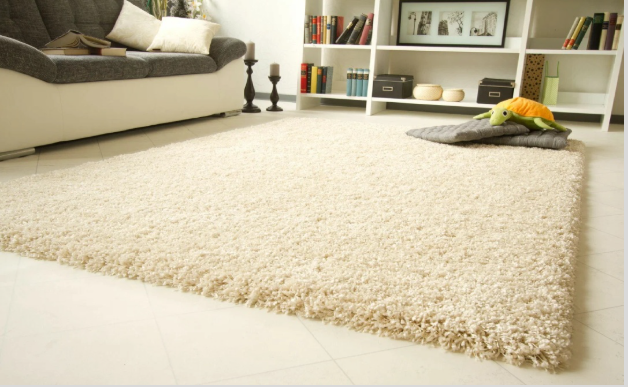
Choosing a carpet for a modern interior sounds straightforward until you start looking at the actual options. Wool, nylon, polyester, polypropylene, loop pile, cut pile, patterned designs, neutral shades—the choices can quickly become overwhelming.
In Dubai, there is another layer to consider. Strong sunlight, air conditioning, dust, high foot traffic and the way spaces are used can all influence whether a particular carpet remains practical over time. The right carpet should therefore do more than look attractive in a showroom. It should suit the room, withstand its daily use and work with the rest of the interior.
Whether you’re furnishing a villa, apartment, office, hotel or commercial property, this practical guide will help you make a more informed decision when selecting Carpets Dubai.
Start With How the Room Will Be Used
Before choosing a colour or pattern, think about the room itself. A carpet for a quiet master bedroom has very different requirements from one installed in a busy office reception or hotel corridor. Ask yourself:
- How much foot traffic will the space receive?
- Will children or pets use the room?
- Is the carpet exposed to direct sunlight?
- Will furniture remain in the same position?
- How frequently can the carpet realistically be cleaned?
- Is comfort or durability the bigger priority?
This simple assessment can eliminate unsuitable options before you even begin comparing designs. For example, a soft, high-pile carpet may feel excellent underfoot in a bedroom but become difficult to maintain in a busy commercial environment.
Understand the Main Carpet Materials
Material has a major impact on appearance, durability, maintenance and price.
Wool
Wool is naturally resilient, comfortable and well suited to premium interiors. It has a distinctive texture and can retain its appearance for years when properly maintained. It is often considered for luxury residences, executive offices, hotels and high-end interior projects. Quality wool carpets generally require a larger investment than many synthetic alternatives.
Nylon
Nylon is known for durability and resilience. It performs well in areas where carpets need to withstand regular foot traffic. For offices, corridors, family living areas and commercial environments, nylon can be a practical option.
Polyester
Polyester is popular for its colour range and generally lower cost. It can work well in bedrooms, decorative areas and spaces with moderate traffic. However, it may not recover from heavy compression as effectively as some higher-performance fibres.
Polypropylene
Polypropylene is commonly selected for its resistance to moisture and stains and its relatively affordable price point. It can be useful for projects where practicality and budget are important considerations.
When comparing carpets from a leading carpets supplier in Dubai, ask specifically about the fibre composition rather than judging quality purely from appearance.
Choose the Right Carpet Pile
The pile describes the way the carpet fibres are constructed and how high or dense they are.
Low-Pile Carpets
Low-pile carpets are easier to vacuum and tend to work well in high-traffic spaces. They are particularly suitable for:
- Offices
- Hallways
- Reception areas
- Dining rooms
- Commercial spaces
Medium-Pile Carpets
Medium-pile options provide a balance between comfort and practicality. They can be a strong choice for living rooms and bedrooms where softness matters but maintenance should remain manageable.
High-Pile and Plush Carpets
High-pile carpets provide a softer, more luxurious feel. They are often used in bedrooms, private lounges and areas where comfort is the priority.
The trade-off is maintenance. Dust and debris can settle deeper into the fibres, and moving furniture across a thick pile can be more difficult.
Choose Colours Based on the Whole Interior
Carpet should connect with the existing design rather than compete with it. For modern Dubai interiors, commonly useful palettes include:
- Beige and sand
- Cream and ivory
- Warm grey
- Greige
- Taupe
- Charcoal
- Soft brown
- Muted blue
- Earthy green
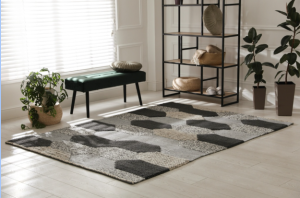
Neutral carpets are particularly versatile because they allow furniture, artwork and accessories to change without requiring a complete redesign. But neutral doesn’t have to mean boring. A textured beige carpet, subtle geometric pattern or tonal design can add depth while keeping the overall room understated.
A useful rule
If the furniture and walls already contain strong patterns, choose a relatively quiet carpet. If the rest of the room is minimalist, a patterned or textured carpet can become the feature that gives the space character.
Think About Carpet Texture and Pattern
Texture is often overlooked during carpet selection. Two carpets can have almost identical colours but create completely different impressions because of their construction. Consider:
- Loop textures for a structured appearance
- Cut pile for a softer finish
- Berber-inspired textures for relaxed interiors
- Geometric patterns for contemporary spaces
- Subtle tonal patterns for luxury environments
- Plain carpets for minimalist rooms
Pattern also affects how large a room appears. Large, busy designs can become visually dominant in smaller spaces, while subtle patterns can add interest without making the room feel crowded.
Measure Before You Buy
Incorrect measurements are one of the easiest ways to create unnecessary expense. Measure the room’s length and width, but don’t stop there. Doorways, built-in wardrobes, columns, awkward corners and transitions between flooring types can affect installation.
For wall-to-wall carpet, professional measurement is particularly valuable. If you’re working with a best carpets shop in Dubai, ask whether site measurement and installation are included in the service. A professional installer can also identify potential issues with the subfloor before installation begins.
Don’t Ignore Underlay
Underlay is not simply an optional layer beneath the carpet. A suitable underlay can improve comfort, help reduce noise and provide additional support for the carpet. It can also influence how the carpet feels underfoot and how well it performs over time.
The correct specification depends on the carpet, flooring substrate and intended use. For premium residential interiors, investing in a suitable underlay can be worthwhile even when the carpet itself already feels comfortable.
Maintenance Should Influence Your Decision
Think about maintenance before buying—not after the first stain. Light-coloured carpets can make a room appear spacious and elegant, but they will generally show dirt more readily than medium or darker shades.
For busy homes, offices and hospitality environments, practical colours and stain-resistant fibres may make more sense. A sensible maintenance routine includes:
- Regular vacuuming
- Prompt treatment of spills
- Periodic professional cleaning
- Using entrance mats in high-traffic areas
- Protecting carpet from unnecessary moisture
- Following the manufacturer’s cleaning recommendations
Avoid using harsh cleaning chemicals simply because they appear effective. Some products can damage fibres or alter the carpet’s colour.
Compare Samples, Not Just Photos
Online images are useful for narrowing down options, but they shouldn’t be the final deciding factor. Request physical samples whenever possible. Place them next to:
- Sofa fabric
- Wall paint
- Curtains or blinds
- Flooring
- Wood finishes
- Cushions
- Natural and artificial lighting
A carpet that looks perfect online may feel completely different once it is placed beside your actual furniture. For larger projects, ordering several samples and viewing them in the intended space is a small step that can prevent an expensive mistake.
Working With a Professional Carpet Supplier
For residential or commercial projects, the supplier’s expertise can be just as important as the product range. A reputable carpets supplier in Dubai should be able to explain the differences between fibres, construction methods, pile types, backing, maintenance requirements and installation methods.
For commercial projects, also ask about:
- Fire-performance specifications
- Commercial wear ratings
- Warranty conditions
- Carpet tile availability
- Replacement options
- Installation timelines
- Maintenance requirements
These details matter far more than simply choosing the most attractive sample.
Conclusion
Choosing Carpets in Dubai for a modern interior is really a balance between design and performance. Start by understanding how the room will be used. Then consider fibre, pile, colour, texture, pattern, sunlight exposure, maintenance and installation. A beautiful carpet that isn’t suited to the environment can quickly become frustrating, while the right specification can remain attractive and practical for years.
When the material, colour, texture and performance are all considered together, Carpets Dubai can add considerably more than softness underfoot. They can define zones, improve acoustics, add warmth and give a modern interior the finished character it needs.