A Different Way to Look at Real Estate
A home can look impressive and still feel strangely indifferent to the person living in it.
That distinction is becoming more important in Dubai.
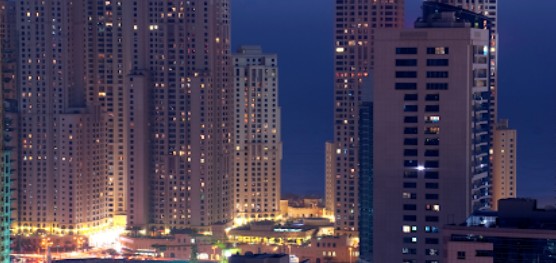
For years, much of the conversation around Dubai real estate has centred on what can be seen: the address, the architecture, the view, the lobby, the amenities. These things matter. But they only tell part of the story.
The more interesting question is harder to photograph.
How should a place feel when you actually live there?
It might feel calm when you walk through the door after a long day. Private when you need quiet. Open when you want company. Comfortable enough that routines become effortless. Connected to the city without bringing all of its noise inside.
These experiences are increasingly becoming part of what people expect from a well-designed home.
Dubai Has Changed the Meaning of Home
Dubai’s residents do not fit neatly into one definition of home.
A person may work in Dubai, have family in another country, spend part of the year elsewhere and still consider the city home. Another may have moved several times before settling here. For a globally mobile population, belonging is less about familiarity with a particular geography and more about whether a place fits the life they are living now.
That changes the brief for residential development.
A home cannot simply be designed around a demographic label. It needs to respond to different routines, levels of privacy, social habits and ways of using space.
This is where design becomes more than aesthetics.
When Luxury Becomes a Feeling
Luxury in Dubai does not need to become quieter in appearance. It needs to become more thoughtful in function.
A generous entrance matters because it changes the transition from public life to private life. Natural light matters because it influences the rhythm of a room. Good acoustics matter because silence can be restorative. A well-planned kitchen matters because people actually use it.
None of these details necessarily announce themselves.
Together, they determine how a home feels.
The same applies to shared spaces. A lounge that people genuinely want to spend time in is more valuable than an amenity included simply to complete a checklist. A landscaped walkway can create a softer transition between private and communal life. A shaded outdoor area can become a natural meeting point without being designed as one.
This is the difference between adding features and creating an environment.
Designing for the Way People Actually Live
The strongest residential developments tend to begin with ordinary questions.
Where does someone pause when they come home?
Where can they work without feeling like they are working from the living room?
Where does a family gather?
Where can someone be alone?
How does daylight move through the home?
What happens between the apartment and the wider community?
These are not glamorous questions. They are useful ones.
Human-centred design starts here. It considers movement, privacy, light, functionality and the transitions between different parts of daily life.
For Dubai real estate, this shift matters because the market is no longer simply about creating more places to live. It is about creating places that make sense within increasingly complex urban lifestyles.
The New Role of Community
There is also a more nuanced understanding of community emerging.
People do not necessarily want a development where everyone knows everyone. They want the option of connection.
A well-planned development can provide that through shared spaces, landscape, amenities and thoughtful circulation without forcing interaction. You might meet a neighbour by the pool, speak to someone in a shared lounge, or simply recognise familiar faces while coming home.
That small sense of familiarity can make a large city feel more personal.
Community, then, is not an amenity. It is something that emerges from how a place is planned and experienced.
Calm as an Urban Advantage
Dubai is unlikely to become a slower city. Nor should it.
Its energy is part of its appeal. The challenge is creating homes that allow residents to step away from that intensity when they need to.
This is where calm becomes a meaningful part of contemporary luxury.
It can be found in a quieter material palette, considered landscaping, spatial separation, natural light or simply the feeling that a home has been designed to reduce friction rather than create more of it.
Native Properties approaches this idea through a human-centred interpretation of contemporary development, bringing Avighna’s experience in real estate delivery into a vision for Dubai shaped around thoughtful design, functional clarity and a stronger sense of belonging.
The broader lesson is important. A successful development does not need to compete with the city at every turn. Sometimes its greatest value is giving residents a place to step back from it.
The Question Developers Should Be Asking
The next phase of Dubai real estate may not be defined by who can build the most recognisable building.
It may be defined by who understands the everyday experience most clearly.
As residents become more discerning, design will be judged not only by how a development looks at launch, but by how it performs months and years later. Whether spaces remain useful. Whether homes remain comfortable. Whether shared areas encourage natural interaction. Whether the development continues to feel relevant as lifestyles change.
That is a more demanding standard.
And perhaps the right one.
Because a place is ultimately experienced at human scale. Not from a drone. Not in a brochure. Not during a launch event.
It is experienced on an ordinary Tuesday morning.
That may be where the real measure of good real estate begins.
FAQs
What is changing in Dubai real estate today?
The conversation is increasingly moving beyond visual appeal and amenities towards liveability, functionality, wellbeing, privacy and the overall resident experience.
Why does it matter how a development feels?
People experience homes through everyday routines. Light, acoustics, movement, privacy, proportions and shared spaces can significantly influence comfort and wellbeing.
What does luxury mean in modern Dubai real estate?
Luxury is increasingly expressed through thoughtful design, quality materials, privacy, comfort, natural light, craftsmanship and the ease with which a space supports everyday life.
How can architecture create a sense of belonging?
Architecture can create opportunities for natural interaction through shared spaces, landscaping, circulation and amenities while still preserving residents’ privacy.
Why is human-centred design becoming important in Dubai?
Dubai has a highly international and mobile population with varied lifestyles. Human-centred design allows developments to respond to how people actually live rather than relying only on visual trends or standard layouts.